 ultimate-guide
Benefits of Chinese Medicine for Wellness
Table of Contents
- What Is Traditional Chinese Medicine and How Does It Support Wellness?
- Acupuncture for Stress Relief and Emotional Balance
- Managing Chronic Pain and Inflammation Through Ancient Wisdom
- Cupping Therapy for Muscle Recovery and Tension Release
- Herbal Remedies and Immune Support for Preventative Healthcare
- How to Find a Registered TCM Practitioner You Can Trust
- Safety, Evidence, and What You Should Know Before Starting
- Conclusion: Restoring Balance Through Holistic Wellness
- Frequently Asked Questions
Last Updated: September 27, 2026
Benefits of Chinese Medicine for Wellness
Traditional Chinese medicine represents one of the world's oldest continuous healing systems, refined over thousands of years to address the root causes of imbalance rather than symptoms alone. According to Business Research Insights market analysis, 74% of consumers now prefer herbal-based wellness products for preventive healthcare, while 66% actively utilise Traditional Chinese Medicine therapies for wellness support. More people are seeking natural, non-invasive approaches to restore balance and support their long-term health goals.
The benefits of Chinese medicine for wellness extend far beyond pain relief, restoring harmony between body systems and addressing underlying imbalances that lead to chronic health challenges. Whether you're managing stress, recovering from surgery, supporting fertility, or seeking preventative care, Chinese medicine offers evidence-backed approaches that complement modern healthcare.
What Is Traditional Chinese Medicine and How Does It Support Wellness?
Traditional Chinese Medicine is a comprehensive healing system based on the concept of Qi (pronounced "chee"), the vital life force that flows through pathways called meridians throughout your body. When Qi flows freely, you experience health, energy, and emotional balance. When flow becomes blocked or depleted, illness and discomfort emerge.
The global Traditional Chinese Medicine market is valued at approximately USD 35.4 billion in 2026, with projections to reach USD 51.8 billion by 2033 at a compound annual growth rate of 5.6% Persistence Market Research market projections. This expansion reflects growing recognition of TCM's therapeutic value. The system operates on principles fundamentally different from Western medicine: rather than isolating symptoms, practitioners assess your complete constitutional picture, your energy levels, digestive function, sleep quality, emotional state, and stress response, to identify the root cause of imbalance.
TCM practitioners use pulse diagnosis (reading subtle qualities at three depths and positions on the wrist) and tongue diagnosis (examining colour, coating, and shape to reveal digestive health, hydration, and systemic balance). Combined with your medical history and current symptoms, these assessment tools guide personalised treatment plans.
Acupuncture for Stress Relief and Emotional Balance
Acupuncture for stress relief stimulates specific meridian points, activating the parasympathetic nervous system and triggering release of endorphins and serotonin, chemicals that calm anxiety and improve mood.
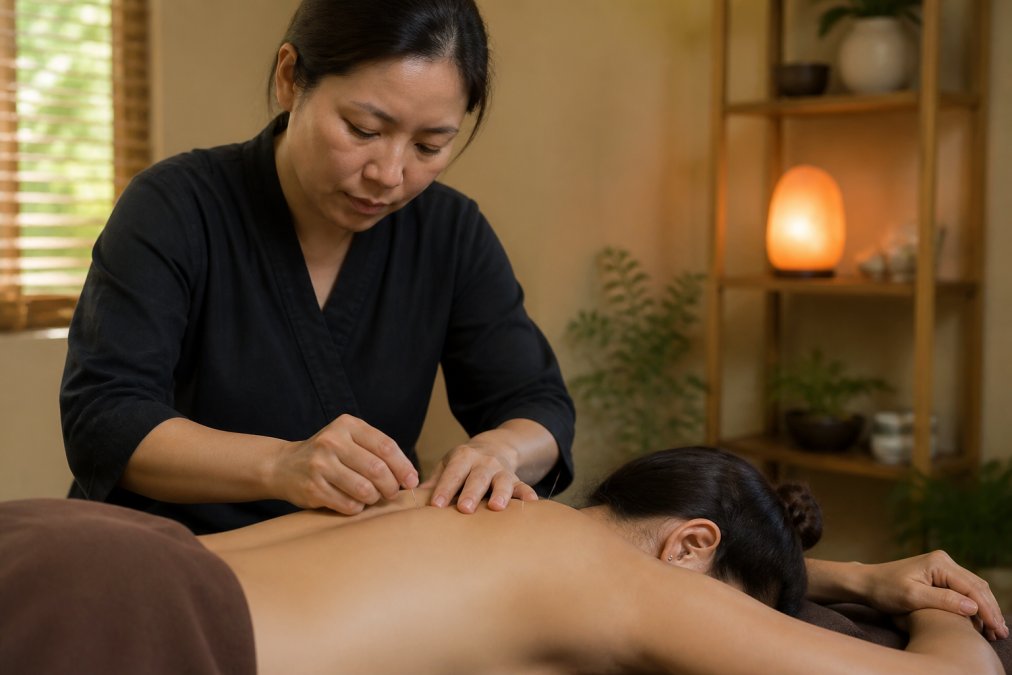
Research from the National Center for Complementary and Integrative Health confirms that acupuncture effectively stimulates pain relief and promotes general quality of life. Beyond pain management, acupuncture addresses the emotional component of stress by regulating your nervous system response. When you're chronically stressed, your sympathetic nervous system remains activated, your body stays in "fight or flight" mode. Acupuncture interrupts this cycle, allowing your nervous system to downshift into parasympathetic dominance.
This shift produces measurable effects: improved sleep quality, reduced anxiety, better emotional regulation, and enhanced resilience. The benefits of Chinese medicine for wellness include genuine restoration of your body's ability to self-regulate, not just symptom relief.
Managing Chronic Pain and Inflammation Through Ancient Wisdom
Chronic pain persists when inflammation embeds in tissues and the nervous system becomes sensitised to pain signals. Traditional Chinese Medicine addresses both by improving microcirculation (oxygen delivery and inflammatory marker removal) and reducing systemic inflammation through herbal formulas. For persistent back pain, this integrated approach restores healing conditions rather than merely interrupting pain signals.
Cupping Therapy for Muscle Recovery and Tension Release
Cupping therapy uses suction cups to draw blood and lymphatic fluid to the treatment area, releasing deep muscle tension and breaking up adhesions (fibrous bands restricting movement). Particularly effective for athletes and those with repetitive strain injuries, cupping stimulates blood flow and oxygen delivery to deprived muscles.
Herbal Remedies and Immune Support for Preventative Healthcare
Herbal formulas in Chinese medicine are prescribed with pharmaceutical precision but support your body's innate healing capacity rather than suppress symptoms. Unlike over-the-counter single-herb supplements, TCM formulas are carefully composed combinations of 6-15 herbs, each selected for specific roles within the formula's overall therapeutic action.
How Practitioners Select Herbal Formulas
A qualified practitioner conducts detailed assessment using pulse diagnosis, tongue assessment, and medical history to identify patterns of imbalance. Two people with recurrent colds might receive different formulas: one with weak Qi might receive astragalus and ginseng to strengthen digestion; another with heat-type symptoms might receive honeysuckle and forsythia to clear heat. This personalisation distinguishes clinical TCM from generic supplements.
Common immune-supporting herbs include:
- Astragalus (huang qi): Strengthens Qi and enhances white blood cell function; traditionally used to prevent recurrent infections
- Ginseng (ren shen): Builds overall vitality and supports immune resilience; particularly useful for people with chronic fatigue or post-illness recovery
- Reishi mushroom (ling zhi): Calms the nervous system and supports immune balance; particularly useful when immune dysfunction is linked to chronic stress
- Cordyceps (dong chong xia cao): Enhances oxygen utilisation and supports energy; often used by athletes or people with low stamina
- Licorice root (gan cao): Harmonises other herbs in the formula and supports adrenal function; present in most TCM formulas in small amounts
The ratio of herbs within a formula is as important as the herbs themselves, which is why individual supplements are not equivalent to professionally prescribed formulas.
The Benefits of Chinese Medicine in Preventative Care
The benefits of Chinese medicine for wellness in preventative care are substantial. Herbal medicine supports immune system, digestive health, energy levels, and emotional balance before problems emerge.
Research shows that consistent use of immune-supporting herbs reduces the frequency and severity of colds, improves recovery time from illness, and enhances overall vitality.
Quality, Sourcing, and What to Expect
How to Find a Registered TCM Practitioner You Can Trust
Look for practitioners registered with recognised professional bodies in your state, ensuring rigorous training and professional standards. Consider their specialisation, some excel with fertility support, others with pain management or post-surgical recovery. A practitioner who listens carefully to your health history and asks detailed questions about symptoms, lifestyle, and goals is more likely to create an effective treatment plan. Ask about their experience with your specific condition and whether they'll recommend referral to other healthcare providers when appropriate.
Safety, Evidence, and What You Should Know Before Starting
Chinese medicine is generally safe when delivered by qualified practitioners. Quality practitioners source herbs from suppliers who maintain strict quality and purity standards, so your choice of practitioner directly affects the safety of your care.
Herb-Drug Interactions and Contraindications
What Practitioners Should Disclose
Evidence Base and Clinical Rigour
Conclusion: Restoring Balance Through Holistic Wellness
The benefits of Chinese medicine for wellness lie in its capacity to address root causes rather than mask symptoms, supporting your body's natural ability to heal and maintain balance. Whether you're seeking stress relief, chronic pain management, post-surgical recovery, or preventative care, Traditional Chinese Medicine offers evidence-backed, personalised approaches that complement modern healthcare.
Frequently Asked Questions
What are the main benefits of Chinese medicine for wellness?
Chinese medicine addresses wellness through multiple pathways. Acupuncture stimulates endorphin release and regulates the nervous system, reducing stress and supporting emotional balance. Herbal formulas reduce inflammation and strengthen immune function. Cupping therapy improves microcirculation and releases muscle tension. Studies show acupuncture is effective for knee osteoarthritis, fibromyalgia, and back pain. Seventy-four percent of consumers prefer herbal-based wellness products for preventive healthcare, reflecting growing confidence in these approaches for supporting overall quality of life.
How does acupuncture for stress relief work on a physical level?
Acupuncture activates specific points along meridians, stimulating the release of endogenous painkillers and regulating nervous system activity. This shifts the body from sympathetic (fight-or-flight) response toward parasympathetic (rest-and-digest) activation, calming mental clarity and emotional tension. The stimulation also influences neurotransmitter balance, supporting better sleep and reducing anxiety. Rather than a single mechanism, acupuncture works through integrated bio-energetic regulation that modern research increasingly validates through neuroimaging and biochemical markers.
Is Chinese medicine regulated in Australia, and how do I know if a practitioner is qualified?
Chinese medicine practitioners in Australia are regulated by the Chinese Medicine Board of Australia, which maintains the Register of Acupuncturists and Chinese Medicine Practitioners. A qualified practitioner should hold registration with AHPRA (Australian Health Practitioner Regulation Agency) or be accredited by recognised professional bodies. When selecting a practitioner, verify their credentials, ask about their training background, and check whether they hold professional indemnity insurance. Registered practitioners follow evidence-based standards and maintain continuing professional development, ensuring you receive safe, competent care aligned with modern wellness standards.
How many sessions will I need to see results from acupuncture or cupping therapy?
Treatment duration varies depending on your condition, how long you've experienced symptoms, and your individual response. Your practitioner will assess your progress and adjust frequency based on your response. Rather than committing to months of weekly visits upfront, discuss a shorter initial course and reassess together, many people find spacing sessions further apart once symptoms improve maintains benefits effectively.