 listicle
Best Remedial Massage in Point Cook: 2026 Guide
Table of Contents
- What Is Remedial Massage and Why It Matters
- Top Remedial Massage Clinics in Point Cook
- Quick Comparison: Remedial Massage Clinics
- Private Health Insurance Remedial Massage Rebate: What You Need to Know
- Remedial Massage vs Myotherapy: Understanding the Difference
- How to Relieve Muscle Knots at Home Between Sessions
- What to Expect During Your First Remedial Massage Session
- Conditions Treated by Remedial Massage and Myotherapy
- Frequently Asked Questions
Last Updated: September 23, 2026
What Is Remedial Massage and Why It Matters
Remedial massage is a therapeutic treatment that targets muscle tension, injury, and dysfunction through evidence-based soft tissue manipulation and clinical assessment. Unlike relaxation massage, remedial massage uses specific techniques to address musculoskeletal problems, restore range of motion, and support physical recovery. According to Back In Motion professional qualification standards, qualified remedial massage therapists require four or more years of dedicated university study on the human body to practise safely and effectively.
The distinction matters because remedial massage is clinical, it's treatment, not just relaxation. A qualified practitioner assesses your condition, identifies the root cause of your pain, and applies targeted techniques to restore function. This evidence-based approach has shifted the industry away from preset massage styles toward outcome-focused treatment, where techniques are selected based on your specific needs rather than a predetermined menu.
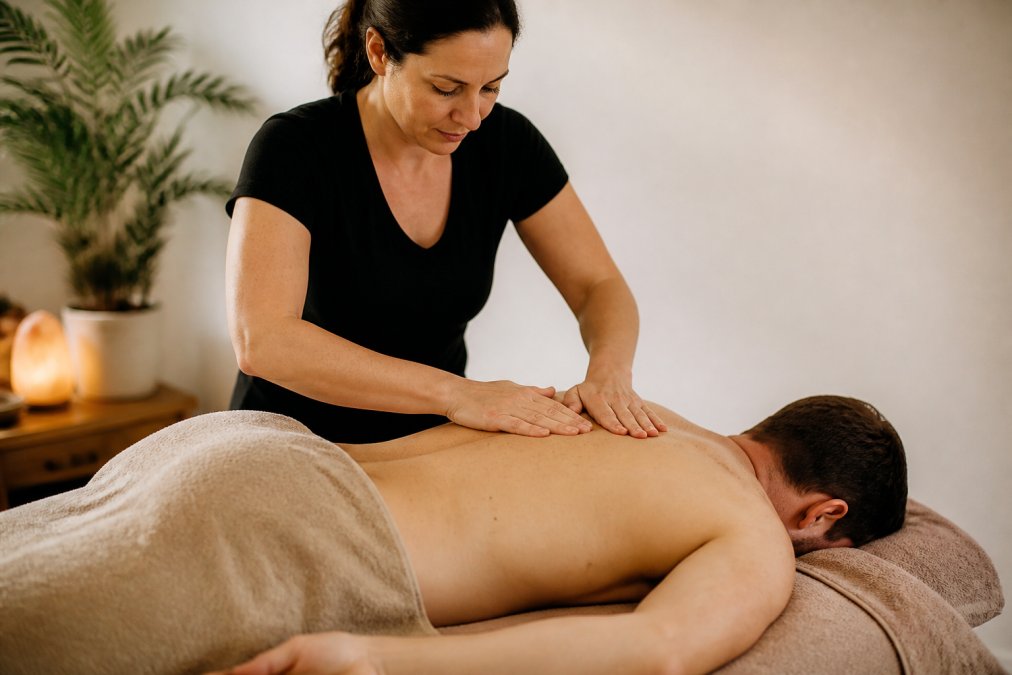
Whether you're managing chronic pain, recovering from injury, or preparing for post-surgical rehabilitation, remedial massage addresses what other treatments sometimes miss: the soft tissue restrictions that limit movement and perpetuate pain. At LOEDA, we specialise in this clinical approach, combining remedial massage with complementary modalities like manual lymphatic drainage and acupuncture to support complete physical recovery.
Top Remedial Massage Clinics in Point Cook
1. LOEDA: Specialised Lymphatic Drainage and Post-Surgery Recovery
LOEDA stands out for its depth of expertise in post-operative care and manual lymphatic drainage. The clinic specialises in the original Vodder lymphatic drainage technique, a gold-standard method that requires dedicated training and certification. This matters for anyone recovering from cosmetic or surgical procedures, proper lymphatic drainage reduces swelling, bruising, and inflammation far more effectively than general massage alone.
What sets LOEDA apart is the integration of multiple modalities. Beyond remedial massage, the clinic offers acupuncture and Chinese medicine, allowing practitioners to address pain, stress, and recovery holistically. The dedicated wellness space in Point Cook creates an environment specifically designed for restoration, important when you're managing post-surgical sensitivity or nervous system activation.
For clients recovering from procedures, the combination of lymphatic drainage expertise and calming environment accelerates healing. LOEDA's approach to soft tissue manipulation also softens scar tissue and decreases pain, which becomes critical as tissue matures post-surgery. The clinic serves Point Cook and Western Melbourne, making it accessible to the wider region.
2. Wellbeing 365: Walk-In Availability and Flexible Scheduling
The walk-in policy removes friction, you don't need to book weeks ahead or commit to a package. However, walk-in availability often means less time for detailed clinical assessment. If you have complex musculoskeletal issues requiring a thorough treatment plan, the flexibility advantage becomes a limitation. The clinic works best for straightforward tension relief rather than rehabilitation from injury or surgery.
3. Life Ready Physio + Pilates Point Cook: Evidence-Based Muscle Recovery
The clinic emphasises circulation improvement and targeted relief for sore, tight muscles. This physiotherapy foundation means assessment is thorough and treatment connects to measurable outcomes like improved range of motion. The professional clinical setting appeals to people who want evidence-based care in a traditional healthcare environment rather than a wellness space.
4. Near By Massage Remedial Clinic: Localised Community Service
Limited digital presence makes it harder to assess practitioner qualifications or treatment philosophy before booking. The clinic works well if you have local referrals or prefer word-of-mouth recommendations over online research.
Quick Comparison: Remedial Massage Clinics
| Clinic | Speciality | Best For | Key Advantage |
|---|---|---|---|
| LOEDA | Lymphatic drainage, post-surgery recovery, acupuncture | Post-operative care, holistic wellness | Original Vodder technique, integrated modalities |
| Wellbeing 365 | Relax-and-repair massage, tension relief | Flexible scheduling, walk-in access | Six-day operation, no advance booking required |
| Life Ready Physio + Pilates | Evidence-based muscle recovery, physio integration | Injury rehabilitation, combined care | Professional clinical setting, coordinated disciplines |
| Near By Massage Remedial Clinic | Dedicated remedial massage | Local community access | Focused expertise, neighbourhood location |
Private Health Insurance Remedial Massage Rebate: What You Need to Know
Most Australian private health insurance policies cover remedial massage when provided by a qualified practitioner, but the rebate structure varies significantly between funds and policy levels. Understanding your coverage before booking prevents surprise out-of-pocket costs.
Check your policy documents or contact your fund directly to confirm:
- Whether remedial massage is covered under your extras or general treatment
- The annual rebate limit (often $300-$500 per year)
- Whether the practitioner must be registered with your specific fund
- The gap amount you'll pay after rebate
Many clinics use HICAPS terminal systems for on-the-spot claim processing, meaning you pay only the gap rather than claiming later. Ask whether your chosen clinic uses HICAPS and whether they're registered with your fund. This saves time and reduces upfront costs significantly.
Remedial Massage vs Myotherapy: Understanding the Difference
Both remedial massage and myotherapy address musculoskeletal dysfunction, but the training pathways and scope differ. Understanding these distinctions helps you choose the right practitioner for your needs.
Remedial massage focuses on soft tissue manipulation using hands-on techniques to release muscle tension, improve circulation, and restore function. Practitioners assess movement patterns and apply targeted pressure to restricted areas. The scope is primarily manual, hands, forearms, and sometimes tools like cups or trigger point devices.
Myotherapy includes everything remedial massage covers, plus additional techniques like dry needling, trigger point therapy, and exercise prescription. Myotherapists often integrate rehabilitation exercises into treatment, making it more comprehensive for injury recovery. The training is typically longer, reflecting the broader scope.
For post-operative recovery or general tension relief, remedial massage is often sufficient. For complex injury rehabilitation or chronic pain requiring exercise integration, myotherapy provides a broader toolkit. Targeted clinical interventions often serve as the foundation for long-term chronic back pain relief when structural imbalances persist beyond initial soft tissue treatment.
At LOEDA, the remedial massage approach combines soft tissue work with acupuncture and Chinese medicine, creating a different integration than traditional myotherapy but equally comprehensive for certain conditions.
How to Relieve Muscle Knots at Home Between Sessions
Muscle knots, localised areas of sustained tension, respond well to consistent self-care between professional sessions. Home techniques amplify the benefits of remedial massage rather than replacing it.
Targeted pressure release: Use a massage ball or foam roller on the affected area for 30-60 seconds at a time. Apply moderate pressure, not maximum force, you should feel intensity without pain. Move slowly across the muscle rather than rolling rapidly. This breaks up tension patterns and improves local circulation.
Heat application: Warm muscles relax more readily than cold ones. Apply a heat pack for 10-15 minutes before self-massage or stretching. This increases blood flow and makes soft tissue more responsive to treatment.
Gentle stretching: Hold stretches for 30 seconds without bouncing. Stretch the muscle group containing the knot plus adjacent muscles. Consistency matters more than intensity, daily gentle stretching outperforms occasional aggressive stretching.
Hydration and movement: Dehydrated muscles tighten more easily. Drink adequate water and move throughout the day rather than holding static positions for hours. Frequent position changes prevent new knots from forming.
Sleep and stress: Nervous system activation and poor sleep perpetuate muscle tension. Practices that calm your nervous system, like the acupuncture and Chinese medicine approaches LOEDA offers, reduce the underlying drivers of muscle knots.
Home care extends the benefits of professional remedial massage, but it doesn't replace clinical assessment and treatment.
What to Expect During Your First Remedial Massage Session
Your first appointment typically involves assessment before treatment begins. The practitioner will ask about your pain history, current symptoms, and movement restrictions. They'll observe your posture and movement patterns, then palpate (feel) the affected areas to identify tissue restrictions.
Conditions Treated by Remedial Massage and Myotherapy
Chronic pain and tension: Neck, shoulder, and lower back pain from postural strain, desk work, or previous injury. Remedial massage releases the soft tissue restrictions perpetuating pain cycles.
Frequently Asked Questions
Can I claim remedial massage on private health insurance?
Many private health insurance policies cover remedial massage when provided by a qualified practitioner. Check your policy documents or contact your insurer directly to confirm your coverage. HICAPS (Health Insurance Claims Processing System) is used at most clinics to process rebates on the spot. Coverage varies by fund and level of cover, so it's worth verifying your entitlements before your first session.
What's the difference between remedial massage and myotherapy?
Remedial massage and myotherapy both treat musculoskeletal pain, but they use different approaches. Remedial massage focuses on soft tissue manipulation and trigger point therapy to release tension and improve range of motion. Myotherapy combines muscle assessment with therapeutic techniques and often includes dry needling. Both require professional qualification.
How often should I get remedial massage for chronic pain?
Treatment frequency depends on your condition and its severity. Some clients see results within one to three sessions, while chronic conditions may require more regular treatment initially. Your therapist will assess your needs during your first consultation and recommend a personalised treatment plan. Many clinics now use outcome-based booking models, where sessions are booked based on clinical need rather than preset package schedules.
Do I need a doctor's referral for remedial massage?
In Australia, you do not need a doctor's referral to see a remedial massage therapist or myotherapist for most conditions. However, if you want to claim a rebate on private health insurance, check your policy requirements, some funds may require a referral. A consultation with a qualified therapist can help you understand what treatment approach suits your condition best.