 how-to
Book Manual Lymphatic Drainage: A 2026 Guide
Table of Contents
- What Is Manual Lymphatic Drainage?
- Is Manual Lymphatic Drainage Really Necessary?
- Manual Lymphatic Drainage for Post-Surgery Recovery
- How Long Is a Manual Lymphatic Drainage Session?
- Manual Lymphatic Drainage Preparation Tips
- What to Expect During Your Appointment
- Manual Lymphatic Drainage vs. Remedial Massage
- Ready to Book Your Session
- Frequently Asked Questions
Last Updated: September 25, 2026
What Is Manual Lymphatic Drainage?
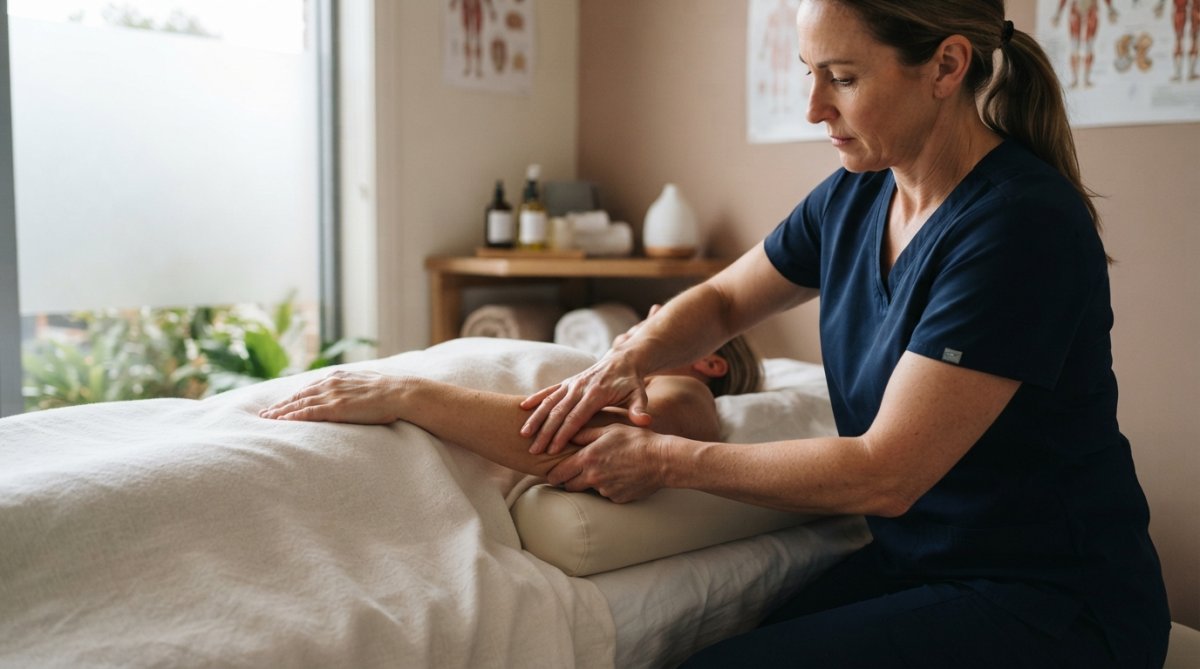
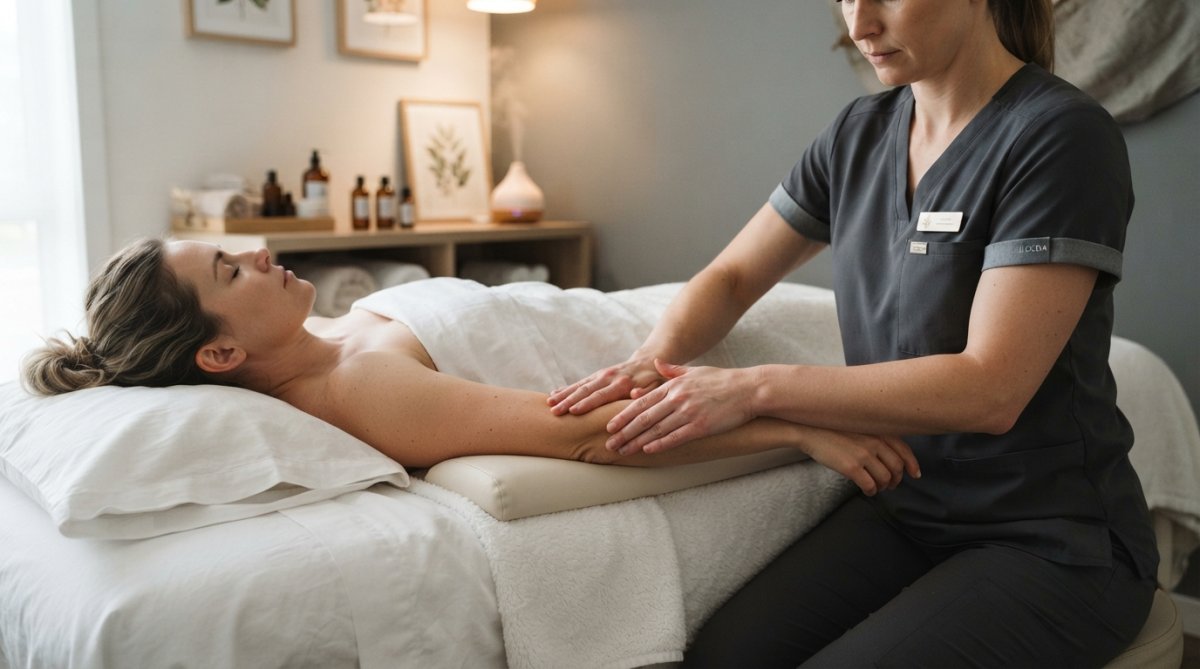
Manual lymphatic drainage (MLD) is a specialised therapeutic technique that uses gentle, rhythmic strokes to stimulate the lymphatic system and encourage the movement of lymph fluid through the body. Unlike deep-tissue massage, which applies firm pressure to muscles, MLD works with the body's natural lymphatic vessels using light touch and specific directional patterns to facilitate fluid mobilisation.
The lymphatic system is your body's cleanup crew. It removes excess fluid, waste products, and metabolic debris from tissues. When this system becomes sluggish or overwhelmed, whether from surgery, injury, or chronic conditions, fluid accumulates and creates swelling. According to research on lymphatic drainage effects, manual lymphatic drainage can reduce lymphatic volume by 30% to 38.6%, making it a measurable intervention for fluid management.
LOEDA specialises in the original Vodder technique, which activates lymphatic flow and reduces tissue swelling and inflammation.
Is Manual Lymphatic Drainage Really Necessary?
When MLD is genuinely necessary
If you're recovering from surgery, particularly cosmetic procedures like tummy tucks, liposuction, or breast surgery, MLD isn't just helpful, it's often essential. Post-surgical swelling and bruising can persist for weeks without proper lymphatic support. Research from the Australasian Society of Plastic Surgeons confirms that manual lymphatic drainage shows positive effects on post-operative swelling following breast and body contouring procedures, reducing recovery time and improving tissue healing outcomes.
For chronic conditions like lymphoedema or lipoedema, MLD is considered a cornerstone conservative treatment. According to Macquarie University research, manual lymphatic drainage is widely accepted as a conservative, evidence-based treatment for lymphoedema management. If you have been diagnosed with lymphoedema by a healthcare provider, MLD is not optional, it's a core part of your long-term management strategy.
For general wellness and occasional bloating, a single session may help. The key question is whether your specific situation warrants the investment and whether it's safe for you to receive.
Critical contraindications: Who should NOT receive MLD
Absolute contraindications, do not proceed:
- Active deep vein thrombosis (DVT) or suspected DVT: MLD can dislodge a clot, triggering a potentially life-threatening pulmonary embolism. Seek medical evaluation before booking if you have calf pain, warmth, redness, or swelling in one leg.
- Active infection or cellulitis: MLD can spread infection through the lymphatic system. Wait until infection has cleared and antibiotic treatment is complete.
- Acute inflammation from recent trauma or surgery (first 24-48 hours): MLD during this window can increase swelling. Most surgeons recommend waiting 3-5 days before starting MLD.
- Malignancy (active cancer) in the area being treated: MLD on or near an active tumour is contraindicated. If you have a history of cancer, inform your practitioner; medical clearance is required.
- Severe cardiac or renal failure: MLD can overwhelm compromised organs' ability to process mobilised fluid. Medical clearance is essential.
Relative contraindications, proceed with caution and medical clearance:
- Uncontrolled hypertension: High blood pressure can worsen during treatment. If your BP is consistently above 160/100 mmHg, consult your GP before booking.
- Recent radiation therapy (within 6 weeks): Wait until tissue has stabilised, typically 6-8 weeks post-radiation.
- Lymph node removal or radiation: Your practitioner must modify technique to work with remaining functional nodes. Ensure your practitioner has experience with post-cancer lymphatic care.
- Acute asthma, severe respiratory distress, or uncontrolled arrhythmias: Medical clearance required.
- Pregnancy (first trimester): Discuss with both your obstetrician and your MLD practitioner.
- Severe kidney disease: Medical input on session frequency and duration is required.
Screening questions your practitioner will ask
Before your first appointment, you'll be asked about:
- Recent surgery or procedures (and surgeon's clearance for MLD)
- History of blood clots, DVT, or pulmonary embolism
- Current infections, fever, or signs of cellulitis
- Active cancer diagnosis or recent cancer treatment
- Cardiac, renal, or respiratory conditions
- Current medications, particularly blood thinners or immunosuppressants
- Pregnancy status
- Numbness, tingling, or nerve damage in the area to be treated
When MLD is optional but beneficial
If you don't fall into any contraindicated category and you're not recovering from surgery or managing a chronic lymphatic condition, MLD is beneficial but optional. A single session can help with:
- Mild fluid retention from travel or hormonal fluctuations
- General wellness and nervous system relaxation
- Maintenance support if you've previously had lymphoedema
- Pre-event preparation (reducing puffiness before an event)
These uses are legitimate, but they're not medically necessary. The decision comes down to whether the cost and time investment align with your wellness goals.
Manual Lymphatic Drainage for Post-Surgery Recovery
Post-surgical swelling is your body's natural response to trauma. Inflammation protects the area and triggers healing. But when fluid accumulates and lymphatic drainage stalls, recovery slows down.
This is where manual lymphatic drainage becomes invaluable. Post-surgical recovery protocols often start with two to three sessions per week, according to lymphatic drainage recovery guidelines. The timing matters. Starting MLD within the first few days after surgery (once your surgeon clears you) prevents fluid from settling and reduces bruising significantly.
The process works by gently mobilising fluid away from the surgical site toward functioning lymph nodes, where it can be processed and eliminated.
How Long Is a Manual Lymphatic Drainage Session?
Typical session duration ranges from 30 to 90 minutes, according to EVOLV Medical Aesthetics guidelines. Most people experience meaningful results in a 60-minute session, which allows time for assessment, treatment, and gentle post-session guidance.
The length depends on several factors:
- Area being treated: A single limb takes 30-45 minutes; full-body sessions run 60-90 minutes
- Your condition: Post-surgical patients often need longer sessions initially; maintenance sessions can be shorter
- Your response: Some people show rapid fluid mobilisation; others need more time for the lymphatic system to activate
After your initial assessment, your LOEDA practitioner will recommend a session length tailored to your needs.
| Session Type | Typical Duration | Best For |
|---|---|---|
| Targeted treatment | 30-45 minutes | Single limb, localised swelling |
| Standard full session | 60 minutes | Post-surgery recovery, general lymphoedema |
| Comprehensive session | 75-90 minutes | Extensive swelling, multiple areas |
Manual Lymphatic Drainage Preparation Tips
Prepared arrivals experience better outcomes. Your body's responsiveness depends on hydration status, nervous system state, and tissue condition.
Hydration and lymphatic readiness
Drink 500-750 mL of water in the 24 hours before your appointment. The lymphatic system relies on adequate tissue hydration to mobilise fluid effectively. Continue drinking water after your session to support fluid processing and elimination.
Timing of food and digestion
Eat a light meal 1-2 hours before your appointment. A full stomach diverts blood flow to digestion; arriving hungry triggers stress. Avoid heavy proteins and fats immediately before treatment.
Clothing and pre-session pressure
Wear loose, comfortable clothing to your appointment. If you're wearing compression for a chronic condition, discuss with your practitioner whether to remove it before arrival.
Activity and heat exposure in the 24 hours before
Avoid strenuous exercise, saunas, hot baths, and prolonged sun exposure for 24 hours before your session.
Medication and supplement timing
Arrival and nervous system preparation
Initial consultation communication
What to Expect During Your Appointment
Manual Lymphatic Drainage vs. Remedial Massage
These treatments serve different purposes, and understanding the distinction helps you choose the right approach for your needs.
Ready to Book Your Session
Manual lymphatic drainage is a proven, evidence-based treatment for post-surgical recovery, lymphoedema management, and fluid retention. LOEDA practitioners are highly trained in the original Vodder lymphatic drainage technique and understand post-operative care, tissue healing, and lymphatic activation.
Frequently Asked Questions
Does manual lymphatic drainage actually work?
Yes. Research shows manual lymphatic drainage produces measurable results. Studies demonstrate lymphatic volume reduction of 30% to 38.6% post-treatment, with fluid reduction measured between 25% and 63% depending on the condition and individual response. It is widely accepted as a conservative treatment for lymphoedema and has shown positive effects on upper limb swelling following breast cancer surgery. Results vary by person, condition severity, and adherence to follow-up sessions.
How many sessions of manual lymphatic drainage are typically recommended for post-surgical recovery?
Your practitioner will assess your individual recovery trajectory and recommend a personalised schedule. The total number of sessions depends on the type of surgery, swelling severity, and how your body responds to treatment.
What is the difference between remedial massage and manual lymphatic drainage?
Remedial massage addresses muscle tension, pain, and tissue damage through deeper pressure and targeted techniques. Manual lymphatic drainage uses gentle, rhythmic strokes to stimulate lymph flow and reduce fluid retention. MLD is specifically designed for oedema management, post-surgical swelling, and lymphoedema, whilst remedial massage focuses on musculoskeletal conditions. Some practitioners offer both; your practitioner will recommend which suits your needs.
Can I do manual lymphatic drainage myself at home?
Self-massage techniques exist and can provide some benefit for maintenance, but they are not a substitute for professional manual lymphatic drainage. A trained practitioner understands lymphatic vessel anatomy, proper pressure, and sequence to effectively mobilise fluid and activate lymph nodes. Self-techniques work best as a supplement to professional sessions, not as a replacement. Your practitioner can teach you simple self-care methods to support your recovery between appointments.