 how-to
Is Manual Lymphatic Drainage Really Necessary?
Table of Contents
- What Manual Lymphatic Drainage Actually Does
- Signs of Lymphatic Congestion You Should Not Ignore
- When Manual Lymphatic Drainage Is Medically Necessary
- Manual Lymphatic Drainage Post Surgery Recovery: What to Expect
- How Long Does Lymphatic Drainage Take to Work?
- Is It Necessary for Healthy People? Debunking Detox and Weight Loss Claims
- Risks, Contraindications, and When to Avoid Treatment
- Professional vs DIY: A Cost-Benefit Analysis
- How to Decide If Manual Lymphatic Drainage Is Right for You
- Frequently Asked Questions
Last Updated: September 16, 2026
What Manual Lymphatic Drainage Actually Does
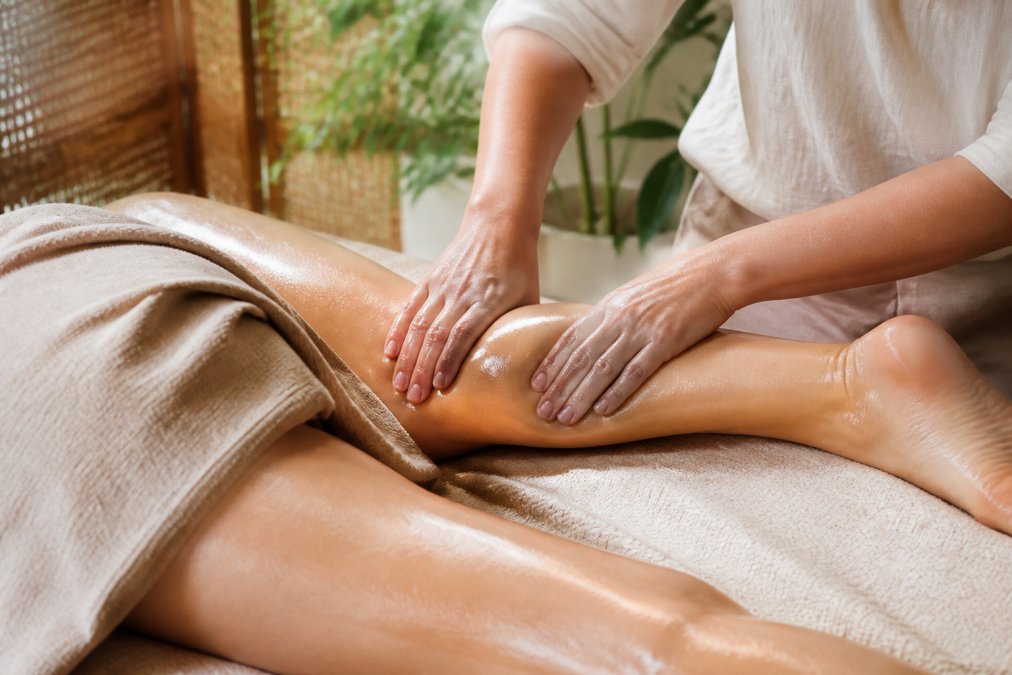
Manual lymphatic drainage is a gentle, rhythmic massage technique that stimulates the lymphatic system to move lymph fluid through the body more efficiently. At LOEDA, we explain it as a light, precise form of therapeutic massage that follows the pathways of your lymphatic vessels.
Your lymphatic system is part of your circulatory system. It collects excess interstitial fluid from tissues, filters it through lymph nodes, and returns it to your bloodstream. When this system slows down, fluid retention and swelling can occur.
Unlike deep tissue massage, MLD uses very light pressure and specific hand movements. The goal is to encourage lymphatic flow without overwhelming the vessels.
Lymphatic system overview from Better Health Channel
Signs of Lymphatic Congestion You Should Not Ignore
Persistent swelling in your arms, legs, or abdomen is the most common sign that your lymphatic system needs support. Other indicators include a heavy or tight feeling in your limbs, skin that feels thicker or firmer than usual, and swelling that does not improve with rest or elevation.
Some people notice fluid retention that fluctuates throughout the day. Others experience recurring infections or slow-healing wounds in swollen areas.
These signs of lymphatic congestion do not always mean you need treatment. They do mean you should have a qualified practitioner assess whether your symptoms warrant professional care.
When Manual Lymphatic Drainage Is Medically Necessary
Manual lymphatic drainage is medically necessary when you have a diagnosed condition that impairs lymphatic function. The clearest example is lymphedema, a chronic condition where protein-rich lymph fluid accumulates in tissues because lymph nodes or vessels have been damaged, removed, or are congenitally underdeveloped.
Lymphedema is clinically staged, and necessity tracks the stage:
- Stage 0 (latent): Swelling is not yet visible, but lymphatic transport is already impaired. MLD may be recommended preventatively after cancer treatment.
- Stage 1: Swelling is soft and pitting, and it often reduces with elevation. This is the stage where MLD produces the most measurable results.
- Stage 2: Swelling becomes firm as fibrosis develops. MLD remains necessary but must be paired with compression.
- Stage 3 (lymphostatic elephantiasis): Severe, irreversible tissue changes. MLD is part of ongoing management, not a cure.
Cancer-related lymphedema commonly develops after lymph node removal (axillary dissection for breast cancer is the most studied example) or radiation therapy. It can appear weeks, months, or years after treatment. This is why surveillance matters: a limb that swells and does not settle within a few weeks warrants assessment.
Where MLD Sits in Complete Decongestive Therapy
MLD is rarely prescribed in isolation. The international standard for lymphedema management is Complete Decongestive Therapy (CDT), a two-phase programme with four components:
- Manual lymphatic drainage, redirects fluid toward functioning lymph pathways.
- Compression therapy, multilayer bandaging in phase one, graduated garments in phase two.
- Decongestive exercise, gentle movement that uses muscle contraction to assist lymph return.
- Skin and nail care, reduces the infection risk that swollen tissue carries.
Phase one (intensive) typically runs daily for two to four weeks with a therapist. Phase two (maintenance) shifts much of the work to the patient at home, with periodic professional review. Understanding this structure matters because it reframes the question: MLD is not a standalone treatment you either need or don't, it is one component of a protocol, and its necessity depends on which phase you are in.
Post-Surgical Recovery
Procedures that disrupt lymphatic vessels, including lymph node biopsy, joint replacement, and some cosmetic procedures, can cause swelling that delays healing. Here MLD is not a luxury; it is part of evidence-based post-operative care, provided your surgeon has cleared you.
If you have a diagnosed lymphatic condition, MLD is part of clinical management, not an optional wellness add-on. If you have persistent swelling without a diagnosis, the necessary step is assessment, not assumption.
Cancer Council information on lymphedema
Manual Lymphatic Drainage Post Surgery Recovery: What to Expect
Manual lymphatic drainage post surgery recovery typically begins within days of your procedure, once your surgeon clears you for treatment. A trained practitioner uses gentle, rhythmic movements to reduce swelling, ease bruising, and support the removal of metabolic waste from healing tissues.
Sessions usually last 45 to 60 minutes. Most patients start with two to three sessions per week, tapering as swelling subsides.
Integrating these gentle techniques into your routine helps manage swelling effectively, though balancing rest with a gradual return to professional responsibilities remains a critical component of your post-surgery recovery guide.You should expect a gradual reduction in swelling rather than immediate results. Your practitioner will assess skin integrity and adjust pressure accordingly. Compression garments are often recommended between sessions to maintain the gains.
The thing nobody tells you about post-surgical MLD is that consistency matters more than intensity. Skipping sessions in the first two weeks can slow your recovery significantly.
How Long Does Lymphatic Drainage Take to Work?
Most people notice reduced swelling and a lighter feeling within two to four sessions. How long does lymphatic drainage take to work depends on your condition, how long you have had it, and how consistently you attend treatment.
For post-surgical swelling, improvement often begins after the first session. For chronic lymphedema, measurable changes typically take two to four weeks of regular treatment.
Your treatment protocol will be adjusted based on how your body responds. Some patients need ongoing maintenance sessions, while others reach a stable point and only return during flare-ups.
Is It Necessary for Healthy People? Debunking Detox and Weight Loss Claims
For healthy individuals without lymphatic conditions, manual lymphatic drainage is not medically necessary. Your lymphatic system works continuously on its own, and a functioning system does not need manual stimulation to remove toxins.
Claims that MLD flushes toxins or produces significant weight loss do not hold up to clinical evidence. The weight change some people notice after a session is water, not fat. It returns.
That said, many healthy people find lymphatic drainage massage helpful for bloating, fluid retention, and general relaxation. Therapeutic massage can calm the nervous system, improve sleep, and ease muscle tension.
The honest answer is this: MLD is beneficial for comfort and wellbeing in healthy people, but it is not a detoxification treatment. Think of it as supportive care, not a medical requirement.
Risks, Contraindications, and When to Avoid Treatment
Manual lymphatic drainage is generally gentle, but it is not appropriate for everyone. Contraindications include active infections, blood clots, untreated heart or kidney conditions, and certain types of cancer that have not been cleared by your oncologist.
If you have a chronic condition affecting your heart, kidneys, or circulation, speak with your doctor before booking a session. MLD can increase fluid movement, which may not be safe in some of these situations.
A qualified practitioner will ask about your medical history before treatment. Be honest about your medications, recent surgeries, and any diagnosed conditions. This is not a formality; it protects your health.
If you experience pain, dizziness, or worsening swelling during or after a session, stop and seek medical advice.
Professional vs DIY: A Cost-Benefit Analysis
Most articles on this topic say the answer 'depends on your situation' and stop there. Here is a framework you can actually apply.
The Core Distinction
Professional MLD and DIY techniques are not the same intervention at different price points. They differ in mechanism:
- Professional MLD uses precise, sequenced hand movements that follow the direction of lymphatic flow toward functioning lymph nodes. A trained practitioner can identify which pathways are compromised and route fluid around them.
- DIY self-massage and dry brushing move fluid superficially and generally. They can support circulation and comfort but cannot redirect flow around damaged nodes.
This is why DIY is supportive care, not a substitute, for anyone with a diagnosed lymphatic condition.
A Realistic Cost Framework
Professional sessions are typically priced per treatment, and most practitioners recommend a block of sessions rather than a single visit. Rather than quoting a figure that varies by clinic and location, think in terms of what you are buying:
- Assessment and protocol design, a one-off cost that determines everything after it.
- Intensive phase sessions, the highest-frequency, highest-cost period, usually concentrated in the first few weeks.
- Maintenance sessions, lower frequency, often monthly or as-needed.
- Compression garments, a recurring cost that is part of CDT, not optional.
DIY costs are mostly time and, if you buy them, basic tools. The trade-off is not 'cheap vs expensive', it is 'lower cost with lower ceiling' vs 'higher cost with measurable, protocol-driven outcomes.'
When to Pay for a Therapist
Pay for professional treatment if any of these apply:
- You have a diagnosed lymphatic condition or are in the intensive phase of CDT.
- You are recovering from surgery involving lymph node removal or significant tissue disruption.
- You have had swelling for more than two to four weeks that has not responded to rest or elevation.
- You have a history of cellulitis or recurring infections in a swollen limb.
- Your doctor or surgeon has recommended it.
When Self-Care Is Genuinely Enough
Self-care is reasonable if:
- You have no diagnosis and no persistent swelling.
- You experience occasional bloating or heaviness that resolves on its own.
- You are in the maintenance phase of CDT and have been taught a safe home routine by your therapist.
- You are using MLD for relaxation and general comfort.
The Honest Bottom Line
For a diagnosed condition or post-surgical recovery, professional care is the evidence-based choice and DIY is a supplement. For general wellbeing, DIY is adequate and professional sessions are optional. The decision hinges on one question: is your swelling explained and diagnosed, or not? If it is not, the necessary step is a clinical assessment, not a massage.
How to Decide If Manual Lymphatic Drainage Is Right for You
Use these criteria to assess whether manual lymphatic drainage is necessary for your situation:
- You have been diagnosed with lymphedema or a condition affecting lymphatic function
- You are recovering from surgery that caused significant swelling or bruising
- You have persistent fluid retention that has not improved with rest, elevation, or lifestyle changes
- Your doctor or surgeon has recommended lymphatic drainage as part of your treatment
- You experience chronic bloating or heaviness that affects your daily comfort
If you ticked any of the first four boxes, professional treatment is likely necessary or strongly beneficial. If only the last box applies, MLD may help with comfort but is not medically required.
A consultation with a qualified practitioner will give you a clear answer. They can assess your symptoms, review your medical history, and recommend a treatment protocol tailored to your needs.
Cancer Council information on lymphedema
At LOEDA, our practitioners are trained in the original Vodder method of manual lymphatic drainage. This technique is widely recognised for its precision and gentle approach, particularly suited to post-surgical recovery and chronic swelling management. We offer a calm, restorative environment where your body can heal at its own pace.
The question of whether manual lymphatic drainage is really necessary has a clear answer depending on your circumstances. If you have lymphedema, are recovering from surgery, or experience persistent swelling that affects your quality of life, professional treatment is not optional. It is part of your recovery and ongoing care.
LOEDA provides manual lymphatic drainage in a dedicated wellness space designed to support your healing. Our practitioners specialise in post-surgery recovery, using the original Vodder technique to reduce swelling, soften scar tissue, and ease your body back into balance. If you are unsure whether treatment is right for you, book a consultation and we will help you decide.
Frequently Asked Questions
Is manual lymphatic drainage worth it for post-surgical recovery?
For many people recovering from surgery, manual lymphatic drainage can help reduce swelling, bruising, and discomfort. It is often recommended after procedures like tummy tucks or liposuction to manage fluid buildup. However, whether it is 'worth it' depends on your individual situation. Speak with your surgeon and a qualified lymphatic drainage therapist to see if it fits your recovery plan. Some people notice improvements within a few sessions, while others may need a longer course of treatment.
What are the signs you need lymphatic drainage?
Common signs of lymphatic congestion include persistent swelling in the arms or legs, a heavy or tight feeling in the limbs, puffiness that doesn't go away with rest, and skin that feels tight or looks slightly shiny. You might also notice reduced flexibility or discomfort. If you have these symptoms, especially after surgery or if they are ongoing, it's best to consult a healthcare professional to determine whether lymphatic drainage is appropriate for you.
Do healthy individuals require manual lymphatic drainage?
For generally healthy people, the lymphatic system works efficiently on its own, aided by movement, hydration, and healthy eating. Manual lymphatic drainage is not typically necessary for maintaining health. However, some people with a sedentary lifestyle or those who experience mild fluid retention may find it helpful for comfort. It's always best to consult a practitioner to see if it's right for your specific needs.
Is lymphatic drainage massage evidence-based or pseudoscience?
Manual lymphatic drainage has solid evidence for conditions like lymphedema, particularly cancer-related lymphedema and post-surgical swelling. It is a recognised component of complete decongestive therapy. However, claims about detoxification or significant weight loss are not supported by strong scientific evidence. The technique itself is legitimate when used for appropriate medical indications, but it is not a cure-all. Always seek treatment from a qualified practitioner.