 how-to
Remedial Massage for Shoulder Tension: A Step-by-Step Guide
Table of Contents
- Understanding Shoulder Tension and Remedial Massage
- Common Causes of Shoulder Tension
- How to Relieve Muscle Knots at Home
- Remedial Massage vs Deep Tissue for Shoulder Pain
- Professional Remedial Massage Techniques for Shoulder Relief
- How Long Does Remedial Massage Relief Last
- Integrating Remedial Massage with Physical Therapy
- Safety Considerations and When to Seek Professional Help
- Frequently Asked Questions
Last Updated: October 2, 2026
Understanding Shoulder Tension and Remedial Massage
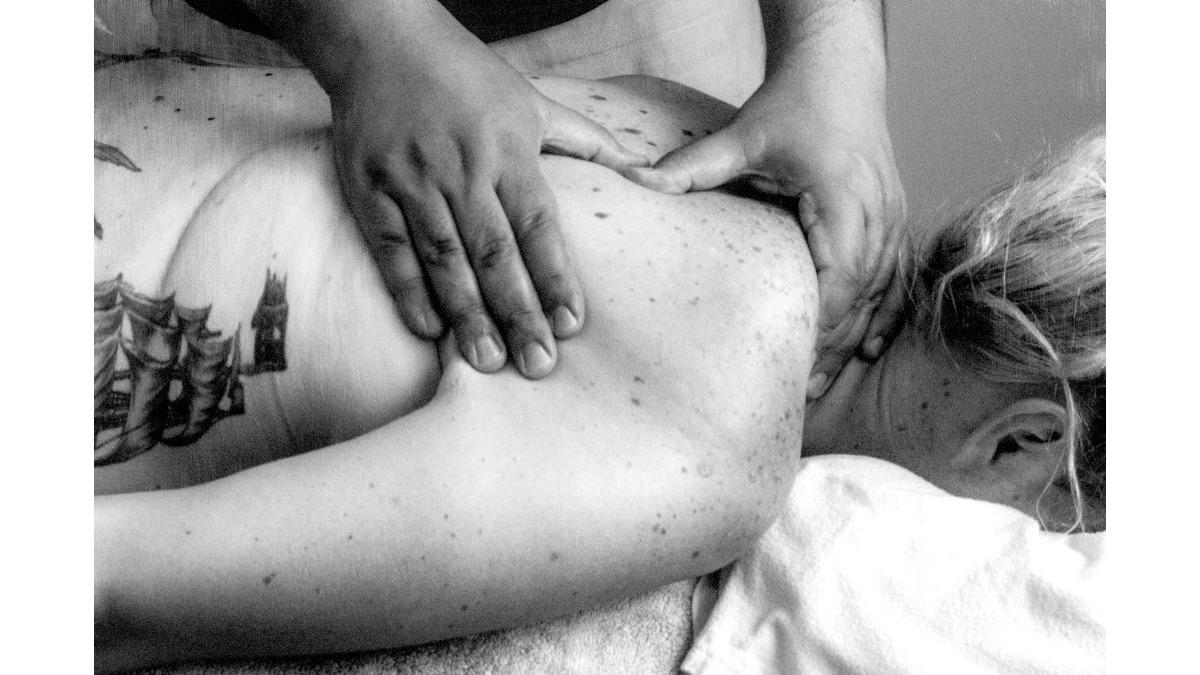
Shoulder tension stems from tight muscles, poor posture, stress, and repetitive movements. Remedial massage shoulder tension treatment uses specific techniques to address the root cause, applying targeted pressure to break down adhesions and restore normal function, unlike general relaxation massage.
Common Causes of Shoulder Tension
Understanding the root cause of your tension is essential because treatment and prevention differ depending on the source.
Primary causes of shoulder tension
- Postural strain: Hunching over a desk or phone creates ongoing tension in the upper trapezius and neck muscles, the most common cause in office-based work.
- Muscle knots (trigger points): Develop from repetitive movement or sustained muscle contraction.
- Stress and anxiety: Emotional stress causes muscles to grip and hold tension, particularly in the shoulders and neck.
- Poor ergonomics: Workspace setup that doesn't match your body creates constant strain through desk height, chair support, monitor position, and keyboard placement.
- Repetitive movements: Sports, work tasks, or hobbies that repeat the same motion overload specific muscle groups.
- Injury or overuse: Old injuries can leave scar tissue and adhesions that restrict movement and create chronic tension patterns.
- Sleep position: Sleeping on one side or with poor neck support aggravates shoulder tension overnight.
- Weak stabiliser muscles: Insufficient strength in the rotator cuff and scapular stabilisers forces larger muscles to compensate.
Ergonomic assessment for prevention
Quick ergonomic checklist:
- Desk height: Your elbows should bend at 90 degrees when your hands rest on the keyboard. If your desk is too high, your shoulders shrug upward constantly, creating upper trapezius tension.
- Monitor position: The top of your screen should be at eye level when you sit upright. If it's too low, you crane your neck forward; too high, you tilt your head back. Both create shoulder tension.
- Chair support: Your chair should support your lower back curve (lumbar support). Without it, you slouch, which rounds your shoulders forward and tightens your chest and front shoulders.
- Keyboard and mouse placement: These should be directly in front of you at elbow height. Reaching to the side or forward creates shoulder strain.
- Phone use: If you cradle your phone between your ear and shoulder, you're creating acute tension in the levator scapulae muscle. Use a headset or speakerphone instead.
- Bag or backpack: Heavy bags worn on one shoulder create imbalance. Use a backpack with both straps, or alternate shoulders frequently.
Sit in your normal working position with ears, shoulders, hips, and ankles forming a vertical line. Small changes eliminate postural tension within 1-2 weeks: raising your monitor by 10 centimetres, adjusting your chair height by 5 centimetres, or moving your keyboard 15 centimetres closer.
Distinguishing causes to guide treatment
Understanding your cause matters because treatment differs:
- Postural tension: Stretching, ergonomic changes, and posture awareness work best. Massage provides relief but won't solve the problem if you return to poor posture.
- Muscle knots: Direct pressure (remedial massage or trigger point therapy) works better than stretching alone.
- Stress-related tension: Combines physical release (massage) with stress management (breathing, movement, sleep).
- Repetitive strain: Requires both massage to release current tension and movement variation to prevent recurrence.
- Weakness-based tension: Strengthening exercises (physical therapy) address the root cause; massage alone provides temporary relief.
A qualified therapist specializing in remedial massage shoulder tension can identify whether your tension is primarily muscular, postural, stress-related, or strength-based, and recommend the most effective combination of treatment and prevention.
How to Relieve Muscle Knots at Home
Simple home techniques can release muscle knots between professional sessions with consistency and proper pressure.
Self-massage techniques for trigger points
Basic self-massage steps:
- Locate the tender spot (usually a hard lump in the muscle)
- Apply firm, steady pressure with your thumb or finger
- Hold for 30-60 seconds while breathing slowly
- Release and repeat 3-5 times per session
- Do this daily for best results
A massage ball or foam roller makes this easier. Place the ball between your shoulder and a wall, then lean into it. Roll slowly over tight areas. This distributes pressure more evenly than your fingers alone.
Stretches and mobility exercises
Three essential shoulder stretches:
- Neck stretch: Tilt your head toward one shoulder, hold for 20 seconds, repeat on the other side
- Shoulder roll: Slowly roll shoulders backward 10 times, then forward 10 times
- Cross-body stretch: Pull one arm across your chest, hold 20 seconds each side
Hold each stretch for at least 20 seconds without bouncing. Perform stretches daily, ideally twice a day.
Remedial Massage vs Deep Tissue for Shoulder Pain
Remedial massage targets specific injuries or dysfunction with precise techniques. Deep tissue massage uses sustained pressure across larger muscle areas but is less targeted. For shoulder tension, remedial massage typically works better, addressing your exact problem whether that's a rotator cuff issue, trigger points, or postural dysfunction. Addressing these underlying imbalances through consistent daily habits will help you improve your posture and prevent the recurrence of chronic shoulder strain.
Professional Remedial Massage Techniques for Shoulder Relief
Professionals use advanced techniques that you can't replicate at home. These methods address deeper layers of muscle and fascia.
Myofascial release and soft tissue work
Myofascial release targets the fascia, the connective tissue surrounding muscles. When fascia becomes tight or restricted, it limits movement and causes pain. Current sports medicine research from SD Sports Acupuncture shows myofascial release enhances mobility by addressing fascial layers directly.
Trigger point therapy and vibration massage
Trigger points are hyper-irritable spots in muscle tissue. When pressed, they cause pain in that spot and often refer pain elsewhere, a trigger point in your shoulder blade might send pain down your arm.
How Long Does Remedial Massage Relief Last
Short-term relief often comes immediately, lasting hours to a few days.
Typical relief timeline:
- After 1 session: 24-48 hours of relief
- After 4-6 sessions: 3-7 days of relief between sessions
- After 8-12 sessions: Relief extends to 1-2 weeks between sessions
- Ongoing maintenance: 1-2 sessions monthly maintains results
Integrating Remedial Massage with Physical Therapy
Remedial massage and physical therapy work together: massage releases tension and restores mobility while therapy rebuilds strength and movement patterns. Sequence massage first, then therapy, tight muscles resist therapy work. Inform your physical therapist of your massage schedule so they can adjust your exercise program. For those interested in complementary approaches, Myotherapy offers another muscle-focused treatment option that can be coordinated with your remedial massage plan.
Safety Considerations and When to Seek Professional Help
Remedial massage is safe for most people, but certain conditions require professional assessment before treatment begins.
Absolute contraindications (do not massage)
These conditions mean massage should not be performed until cleared by a medical professional:
- Acute injury (within 48 hours): Swelling, bruising, heat, or pain indicate acute inflammation. Massage increases blood flow, which worsens swelling and delays healing. Use RICE protocol first. After 48-72 hours, once acute swelling subsides, professional assessment determines whether massage is safe.
- Fracture or suspected fracture: Massage over a fracture can displace bone fragments or cause further damage. Imaging and medical clearance are essential before any massage.
- Active infection or fever: Massage increases circulation, which can spread infection systemically. Wait until infection resolves and fever is gone for at least 24 hours.
- Skin conditions in the treatment area: Open wounds, severe dermatitis, fungal infections, or contagious skin conditions (such as impetigo or shingles) are contraindicated. Massage can worsen the condition or spread infection.
- Undiagnosed severe pain: If you have sudden, severe shoulder pain without a known cause, seek medical evaluation first. Pain can indicate serious conditions requiring immediate medical attention, not massage.
- Recent surgery: Massage near surgical sites before healing is complete can damage repairs. Follow your surgeon's clearance timeline.
Relative contraindications (proceed with caution)
These conditions require modified massage or professional assessment before treatment:
- Numbness or tingling in the arm or hand: This suggests nerve involvement. A healthcare provider should first rule out serious nerve compression. Once cleared, the therapist must use modified pressure and avoid aggravating the nerve.
- History of shoulder dislocation: The shoulder joint is unstable after dislocation. A therapist experienced with post-dislocation rehabilitation should perform treatment with modified techniques.
- Osteoporosis or bone density loss: Aggressive pressure can increase fracture risk. Inform your therapist so they can use gentler pressure.
- Blood clotting disorders or anticoagulant medication: Massage increases blood flow and bruising or bleeding risk. Your therapist should use lighter pressure and avoid deep tissue techniques.
- Rheumatoid arthritis or inflammatory joint conditions: During acute flare-ups, massage can worsen inflammation. Between flares, gentle massage may help.
- Pregnancy: Shoulder massage is generally safe during pregnancy, but certain pressure points and techniques should be avoided. Inform your therapist of your pregnancy so they can modify treatment.
- Severe anxiety or trauma history: Some people experience emotional distress during massage due to past trauma. Disclosure before treatment is important.
Red flags requiring medical evaluation before massage
Seek professional medical assessment if you experience:
- Severe pain that limits daily activities: Indicates significant tissue damage or systemic issue.
- Pain following an injury or accident: Requires imaging to rule out fracture or serious soft tissue damage.
- Numbness, tingling, or weakness in the arm or hand: Suggests nerve compression or neurological involvement.
- Pain that worsens despite self-care over 2-3 weeks: May indicate a condition beyond muscle tension.
- Unexplained swelling, bruising, or heat: Could indicate infection, inflammation, or internal bleeding.
- Pain radiating down the arm or into the chest: May indicate referred pain from a serious condition.
- Night pain that wakes you from sleep: Often indicates inflammatory or serious pathology.
How to prepare for your first appointment
Before your first remedial massage session, provide your therapist with medical history, current medications, symptom timeline, previous treatments, and lifestyle factors. This information helps your therapist assess whether massage is appropriate and tailor treatment to your needs.
When to combine massage with other treatments
Remedial massage works best as part of a coordinated approach:
- With physical therapy: Massage releases tension; therapy rebuilds strength. Sequence massage first, then therapy exercises.
- With medical imaging: If pain persists beyond 2-3 weeks, imaging (X-ray, ultrasound, or MRI) may identify structural issues that guide treatment.
- With stress management: If stress drives your tension, massage plus stress reduction (breathing, meditation, exercise) produces better outcomes than massage alone.
- With ergonomic changes: If posture causes tension, massage plus workspace adjustment prevents recurrence.
Frequently Asked Questions
What massage is best for shoulder tension?
Remedial massage and deep tissue massage are both effective for shoulder tension, though they work differently. Remedial massage targets specific muscle groups and addresses underlying causes of tension, whilst deep tissue applies sustained pressure to release chronic tightness. Research shows remedial massage provides improvement in pain intensity at both 7 and 26 weeks compared to advice alone. The best choice depends on whether you have trigger points, muscle knots, or broader stiffness affecting your range of motion.
How many remedial massage sessions are needed for shoulder tension relief?
The number of sessions varies based on the severity and duration of your shoulder tension. Acute tension may improve within 2-3 sessions, whilst chronic tension typically requires 4-8 sessions spaced over several weeks. Your therapist can assess your condition and recommend a personalised treatment plan during your initial consultation.
Can I relieve shoulder tension at home without professional massage?
Yes, several self-help techniques can provide relief. Self-massage using your hands or a massage ball on trigger points, gentle stretching, and posture correction all help reduce muscle knots and tension. Heat therapy and neural glides (gentle movements that mobilise nerve pathways) also support recovery. However, professional remedial massage addresses deeper soft tissue issues and underlying causes more effectively. Combining home techniques with periodic professional treatment often yields the best results.
How long does relief from remedial massage typically last?
Immediate relief often occurs within the first session, with many clients experiencing reduced muscle tightness and improved range of motion. Short-term relief typically lasts 3-7 days, though this varies based on your daily habits, posture, and stress levels. Regular sessions (weekly or fortnightly) help extend relief duration and build lasting improvements. Without follow-up treatment or home care, tension often returns within 1-2 weeks, particularly if ergonomic factors or stress aren't addressed.
Shoulder tension doesn't have to be permanent. The right combination of self-care, professional treatment, and addressing underlying causes creates lasting relief. LOEDA specialises in remedial massage techniques that calm the nervous system and release the physical tension holding you back. Our practitioners provide personalised assessment and treatment plans tailored to your specific needs. Book a session with LOEDA and discover how remedial massage can restore your comfort and mobility.