 how-to
Sore After Remedial Massage? How to Manage Muscle Soreness
Last Updated: November 2, 2026
Quick Summary
Managing muscle soreness after remedial massage means matching your activity to how the tissue feels, not a fixed schedule. Drink water, prioritise sleep, use warmth rather than ice for routine achiness, and keep movement light for the first 24 hours. Soreness usually peaks around days two and three, then fades.
- Avoid heavy lifting, intense cardio and alcohol in the first 2 to 4 hours after your session.
- Use a warm shower, heat pack or wheat bag for 15 to 20 minutes to ease stiffness.
- Hold gentle stretches for 20 to 30 seconds and stay well short of pain.
- Soreness from exercise typically peaks 24 to 72 hours after the activity.
- Seek advice if you notice sharp pain, numbness, swelling or pain lasting beyond a week.
Table of Contents
- Why You Feel Sore After Remedial Massage
- What to Do After Remedial Massage: A Time-Based Recovery Plan
- Delayed-Onset Muscle Soreness: Massage and What the Evidence Says
- When to Avoid Remedial Massage
- Normal Tenderness or a Warning Sign? How to Tell the Difference
- Preventing Soreness: Personalising Pressure Before and During Your Session
- Booking Your Next Remedial Massage Session
- Frequently Asked Questions
Why You Feel Sore After Remedial Massage
Remedial massage targets muscle tissue, fascia and other soft tissue to ease stiffness, restricted movement and musculoskeletal pain.
Think of it like this: your therapist worked on tissue that was already irritated.
A common mistake is assuming more pressure always means better results. It doesn't.
The soreness you feel is not damage. It is your nervous system and muscle tissue settling after change.
What to Do After Remedial Massage: A Time-Based Recovery Plan
What you do after remedial massage matters as much as the session itself. A simple staged plan keeps post-massage soreness manageable and protects your recovery time.
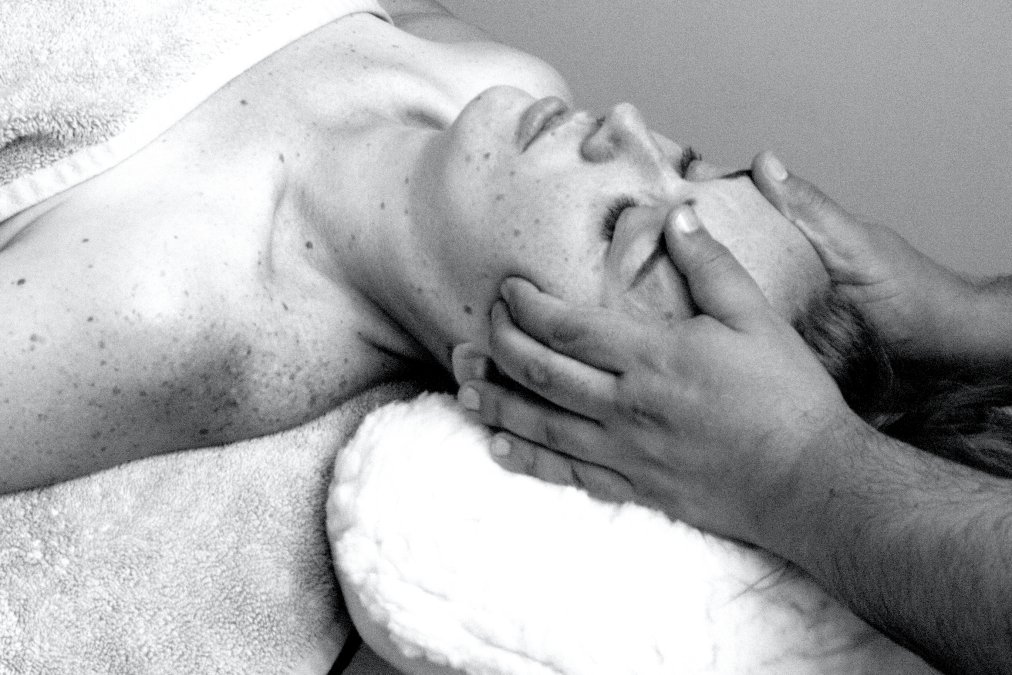
The First 2-4 Hours
This is the window where most people feel either loose and relaxed or slightly wiped out. Both are normal. Your therapist has just worked through muscle tissue, fascia and the surrounding soft tissue, and your nervous system is settling.
- Drink water normally. Staying hydrated supports normal bodily function, and drinking water as you usually would is a sensible approach.
- Avoid heavy lifting, intense cardio or anything that loads the treated area. Your tissue has just been worked on and does not need a second stressor.
- Skip alcohol. It can disturb sleep and add to next-day achiness.
- Keep moving gently. A short walk or light household activity is fine and helps circulation without adding strain.
The First 24 Hours
Soreness often starts to build in this window. It is usually a dull ache in the tissue your therapist worked, not sharp pain.
- Prioritise sleep. Rest supports your body's recovery, and a poor night can make next-day soreness feel worse.
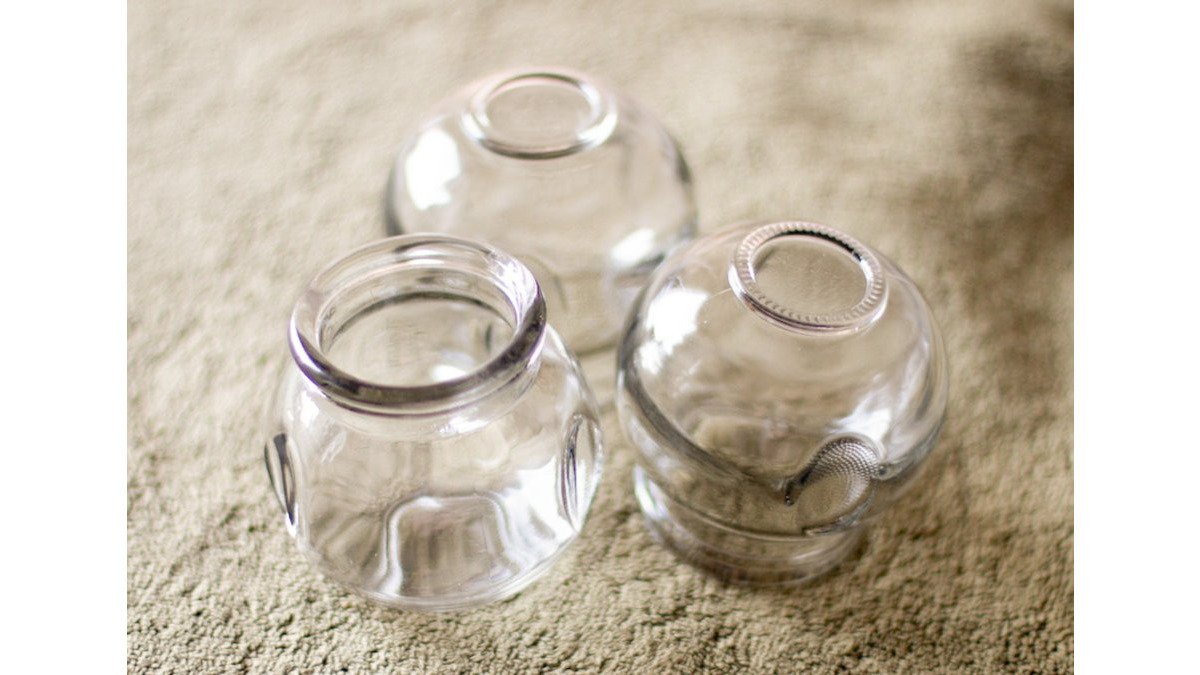
- Use warmth, not ice, for routine post-massage achiness. If you're looking for additional soothing options, cupping therapy uses vacuum suction to move stagnant blood and increase local circulation to tight, sore muscles. A warm shower, heat pack or wheat bag for 15-20 minutes can ease stiffness. Cold packs are typically used for acute injury or swelling rather than routine post-massage soreness.
- Keep movement light. Walking, gentle housework and easy mobility drills are fine. Avoid deep stretching of the treated area on day one, the tissue is still settling.
- Eat normally. There is no special post-massage diet, but a normal meal with protein and carbohydrates supports recovery better than skipping meals.
Days Two and Three
Soreness usually peaks somewhere in this window and then fades. Keep the focus on gentle recovery.
- Add gentle stretching. Hold stretches for 20-30 seconds and stay well short of pain. Stretch the treated area only if it feels comfortable.
- Try light active recovery. A walk, a swim or easy cycling at a conversational pace is usually fine. Avoid heavy resistance training on the treated area until soreness has clearly eased.
- Reassess pressure tolerance. If the area feels bruised or sharply tender, tell your therapist at the next session so pressure can be adjusted.
Day Four Onward: Returning to Exercise
Ease back in rather than resuming at full load. A gradual approach, starting with reduced volume or intensity and building back over the following week, is generally a sensible way to return.
- Use soreness as a guide. Mild ache during exercise that settles within 24 hours is usually acceptable. Sharp pain, swelling or pain that worsens during the session is a signal to stop.
- Warm up properly. Five to ten minutes of light movement before training reduces the chance of re-irritating tissue that is still recovering.
- Plan the next session. If you are planning your recovery and want to know how many sessions are needed to see results, our guide on how many massage sessions for results walks you through it.
| Timeframe | What to do | What to avoid |
|---|---|---|
| First 2-4 hours | Water, rest, short walk | Heavy training, alcohol, driving if lightheaded |
| First 24 hours | Sleep, warmth, light movement | Deep stretching, intense cardio, alcohol |
| Days 2-3 | Gentle stretching, heat, active recovery | Deep pressure on sore spots, heavy loading |
| Day 4 onward | Light exercise, build up gradually | Sudden return to full load |
Delayed-Onset Muscle Soreness: Massage and What the Evidence Says
Delayed-onset muscle soreness massage is often oversold. DOMS is the ache that appears a day or two after unfamiliar or hard exercise, and the evidence on massage as a fix is mixed. Understanding what DOMS actually is helps you judge what massage can and cannot do.
What DOMS Actually Is
DOMS is the ache that appears a day or two after unfamiliar or hard exercise. It is generally understood to relate to muscle loading and the body's response to it, and it typically peaks 24-72 hours after exercise.
Massage does not undo that process. What it can do is reduce the sensation of tightness, improve how the tissue feels to move, and help you relax. Those are real benefits, but they are different from repairing muscle damage.
What the Research Suggests
A 2025 review by D. Arsovski and colleagues reported improvements in pain, mobility and functional performance after three weeks of combined therapy. Deep Tissue Massage Therapy: Effects on Muscle Recovery That is encouraging, but the same review notes that massage has not been reported as effective for enhancing recovery from exercise-induced muscle damage.
A 2026 review similarly notes that massage has not been shown to speed up recovery from exercise-induced muscle damage. review of massage therapy and post-exercise muscle damage
How should you read that? Two things can be true at once:
- Massage may make you feel better and move more comfortably in the short term.
- Massage should not be relied on as a shortcut past the underlying recovery process.
Soreness From Massage vs Soreness From Exercise
These are related but not identical. Soreness after a remedial massage is usually a response to pressure on tissue that was already tight or irritated. It tends to be more localised to the areas worked.
If you are sore after a session, that does not mean the massage "worked" or that it was too strong. It means the tissue responded. The useful question is whether the soreness is easing and whether you can move normally.
Setting Realistic Expectations
Any relief often comes from reduced muscle tension and better mobility rather than a rapid reset. You may feel looser and move more comfortably for a period after treatment. If you are using massage to support training, plan it around your harder sessions rather than expecting it to erase the effects of a sudden increase in load.
Use massage for comfort, mobility and relaxation, and treat any recovery or performance benefit as a possible bonus rather than a guarantee. That framing keeps your expectations honest and helps you judge whether a treatment plan is actually helping.
When to Avoid Remedial Massage
When to avoid remedial massage depends on your health picture. Some situations need clinical advice first.
Skip or delay treatment if you have:
- A fever or active infection
- Unexplained swelling, redness or heat in a limb
- A recent fracture, acute muscle strain or open wound
- A bleeding disorder or are taking blood thinners
- Severe pain that has not been assessed by a doctor
Pregnancy, recent surgery and some musculoskeletal conditions need a tailored approach. Speak to your practitioner and your doctor before booking. A qualified practitioner will consider whether treatment is appropriate before proceeding.
Normal Tenderness or a Warning Sign? How to Tell the Difference
Normal tenderness feels like a dull ache in the tissue your therapist worked. It eases within a few days and you can still move.
A warning sign is different. Watch for:
- Sharp or shooting pain
- Numbness, tingling or weakness
- Swelling, bruising or heat that gets worse
- Pain that lasts beyond a week
- Headaches or sciatica that intensify
If any of these appear, stop and seek advice from a qualified health professional. This is general information only, not a diagnosis.
Preventing Soreness: Personalising Pressure Before and During Your Session
Preventing soreness starts before you lie down. Tell your therapist about your pain history, your training load and any sensitive areas.
Deep Tissue Massage Therapy: Effects on Muscle Recovery The takeaway: match duration and pressure to your response, not to a rule.
During your session:
- Speak up if pressure feels sharp rather than deep
- Ask for lighter work on sensitive areas
- Flag any area that feels bruised the next day
Gentle stretching between sessions may help with muscle tightness. Read our guide on preventing muscle knots with daily stretching routines for practical routines you can follow at home.
Booking Your Next Remedial Massage Session
Booking your next remedial massage session is the easy part when you know what to expect. If you are weighing up which hands-on approach suits you, our Myotherapy service is another option worth discussing with your practitioner.
We provide a calm, welcoming space for your treatment. If you are ready to book, you can book a remedial massage online. For current prices, please visit the LOEDA website.
Frequently Asked Questions
Should you be sore after a remedial massage?
Some tenderness after remedial massage is common, especially if the therapist worked on tight or overused muscle tissue. Mild soreness that settles within a day or two is commonly experienced after treatment. Sharp pain, swelling or soreness that worsens each day is not routine and should be checked by a qualified practitioner.
How long can muscle soreness last after remedial massage?
For most people, post-massage soreness eases within one to three days. Your soreness duration depends on treatment intensity, massage pressure, how much muscle tension was present and your own recovery time. If soreness lasts beyond about four days or keeps returning after every session, tell your therapist so pressure and technique can be adjusted.
Can remedial massage help with delayed-onset muscle soreness?
The evidence is mixed. Research on massage and delayed-onset muscle soreness is mixed, and massage has not been clearly shown to enhance recovery from exercise-induced muscle damage. That does not mean massage is useless: it can ease muscle tightness, stiffness and restricted movement, and many people find it helps them feel more comfortable. Treat it as a way to manage symptoms and support relaxation, not as a proven cure for DOMS. A qualified practitioner can advise what suits your situation.
When should you avoid remedial massage for muscle soreness?
Skip remedial massage, or get clinical advice first, if you have a fever or active infection, unexplained swelling, a suspected muscle strain or tear, bruising, a skin infection or rash over the area, or you are on blood-thinning medication. Avoid massage on an acute injury in the first 48 hours. If soreness comes with numbness, tingling, weakness or loss of movement, see a health professional before booking. Let your practitioner know about any health concerns before treatment begins.
Muscle soreness after treatment can feel discouraging, but it is usually a sign your body is adjusting. If you want bodywork that respects your limits and supports real recovery, get started with LOEDA and book a session that puts your comfort first.