 blog
blog
Point Cook Chiro Alternative for Massage: 2026 Guide
Table of Contents
- Why People Look for a Point Cook Chiro Alternative for Massage
- Remedial Massage Benefits for Pain and Tension
- Remedial Massage vs Chiropractic: Key Differences
- Manual Lymphatic Drainage Therapy for Recovery
- How to Choose a Point Cook Chiro Alternative for Massage
- What to Expect at Your First Appointment
- Frequently Asked Questions
Last Updated: September 12, 2026
Why People Look for a Point Cook Chiro Alternative for Massage
If you have been managing persistent back pain, neck tension, or post-surgery swelling with chiropractic adjustments and still feel stuck, you are not alone. A growing number of people are seeking a Point Cook chiro alternative for massage because they want relief that addresses soft tissue, circulation, and nervous system calm rather than spinal alignment alone. This guide from LOEDA breaks down what actually differs between these approaches, which treatment suits which problem, and how to choose a provider without wasting money on sessions that were never going to help.
Most people arrive at this question after months of trial and error. They have tried physio, they have tried adjustments, and they are tired of being told to come back next week indefinitely. The honest answer is that chiropractic and remedial massage solve different problems, and once you understand which problem you actually have, the choice becomes straightforward.
Remedial Massage Benefits for Pain and Tension
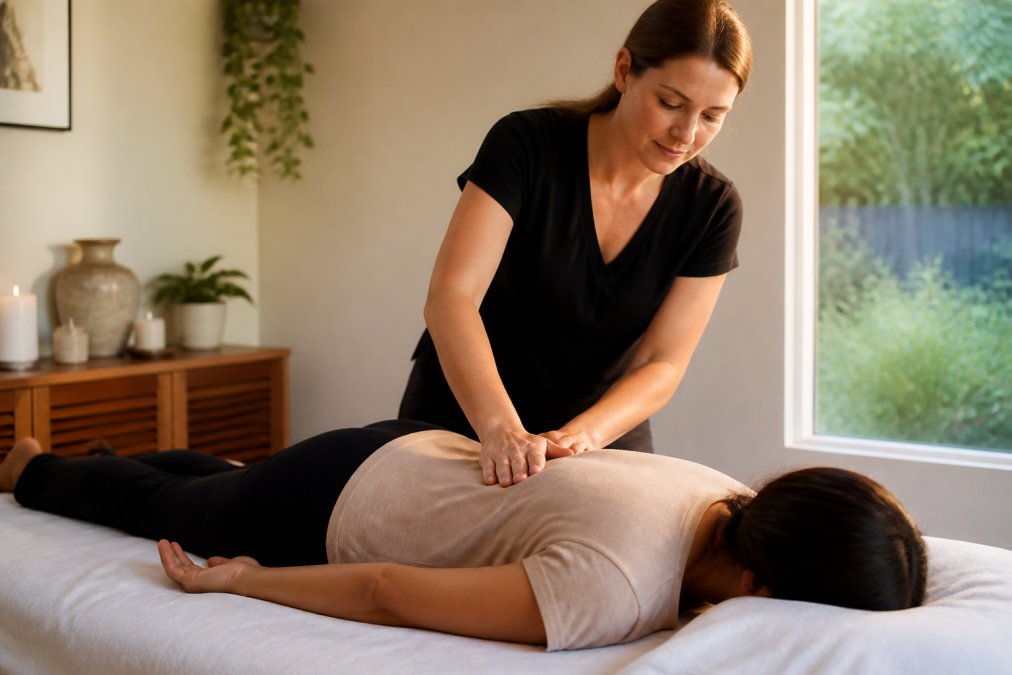
Remedial massage is a targeted form of soft tissue therapy that works on the muscles, tendons, and fascia causing pain or restricting movement. Unlike a relaxation massage, it uses deeper pressure and specific techniques aimed at a diagnosed area, which is why it is the treatment most practitioners reach for when tension has been building for weeks or months.
The main benefits people report include:
- Reduced muscle tightness and trigger points that refer pain elsewhere
- Improved range of motion in the neck, shoulders, and lower back
- Better circulation to the affected area, which supports tissue repair
- Lower stress response, which helps with sleep and overall recovery
What most guides miss is that remedial massage is not a one-off fix. A common mistake is booking a single session for a problem that took months to develop, then concluding massage "doesn't work" when one treatment only takes the edge off. In practice, most people need a short course of sessions spaced close together, then maintenance visits as needed. A qualified practitioner will tell you upfront roughly how many sessions to expect, and any provider who cannot give you a rough plan is worth questioning (healthdirect.gov.au).
According to healthdirect's guide to massage therapy, massage is generally considered safe for most people, though you should tell your practitioner about any medical conditions or recent surgery first.
Remedial Massage vs Chiropractic: Key Differences
Remedial massage and chiropractic differ in what they treat and how they treat it. Chiropractic care focuses primarily on the spine and joints, using controlled adjustments to improve alignment and nerve function. Remedial massage focuses on the soft tissues surrounding those joints, working on the muscles that pull the spine out of alignment in the first place.
| Factor | Remedial Massage | Chiropractic |
|---|---|---|
| Primary focus | Muscles, fascia, soft tissue | Spine and joint alignment |
| Typical technique | Deep tissue pressure, trigger point work | Manual or instrument adjustments |
| Best for | Tension, knots, restricted movement | Joint dysfunction, nerve compression |
| Session feel | Sustained pressure, some tenderness | Quick controlled movements, possible cracking |
| Often combined with | Lymphatic drainage, acupuncture | Stretching, rehabilitation exercises |
The two approaches are not rivals. Many people get the best results by using massage to release the muscles and chiropractic to address the joint, or by choosing one based on where their problem actually originates. If your pain is muscular, a massage-focused clinic is usually the more direct route. If it is joint-related, an adjustment may help more. A thorough assessment at your first visit should clarify this, and a good practitioner will refer you on if your issue is outside their scope.
Manual Lymphatic Drainage Therapy for Recovery
Manual lymphatic drainage is a gentle, rhythmic massage technique that stimulates the lymphatic system to move excess fluid and waste products out of the tissues. It uses light, specific strokes rather than deep pressure, which is why it feels quite different from remedial massage.
This therapy is particularly relevant if you are recovering from cosmetic or general surgery. Swelling, bruising, and fluid retention are common after procedures, and gentle lymphatic work can help the body clear that fluid more efficiently. LOEDA's practitioners are trained in the original Vodder method of lymphatic drainage, which is the established technique many surgeons recommend for post-operative recovery. (Source: Australian Physiotherapy Association)
It is also used for bloating, water retention, and general detox support, though the evidence for these applications is more mixed than for post-surgical swelling. If you are unsure whether it suits your situation, ask during a consultation rather than assuming. As with any treatment, results vary between individuals, and no provider should promise a specific outcome.
How to Choose a Point Cook Chiro Alternative for Massage
Choosing a Point Cook chiro alternative for massage comes down to four things: the practitioner's qualifications, the treatment matching your problem, a clear session plan, and a setting where you feel comfortable. Price matters, but it is the weakest signal of quality.
Work through this checklist before booking:
- Confirm the practitioner's formal qualification and registration
- Ask which techniques they use and whether they suit your specific issue
- Request a rough number of sessions and a review point
- Check whether they offer a combination of therapies if you need more than one
- Read how they describe aftercare and what to expect between visits
- Visit the space or view photos to confirm it feels calm and clean
A common mistake is choosing purely on proximity or the lowest price. If a provider cannot explain why they are recommending a particular treatment for your problem, that is a red flag regardless of how close they are. The right provider will assess first, recommend second, and be honest if your issue needs a different professional entirely.
What to Expect at Your First Appointment
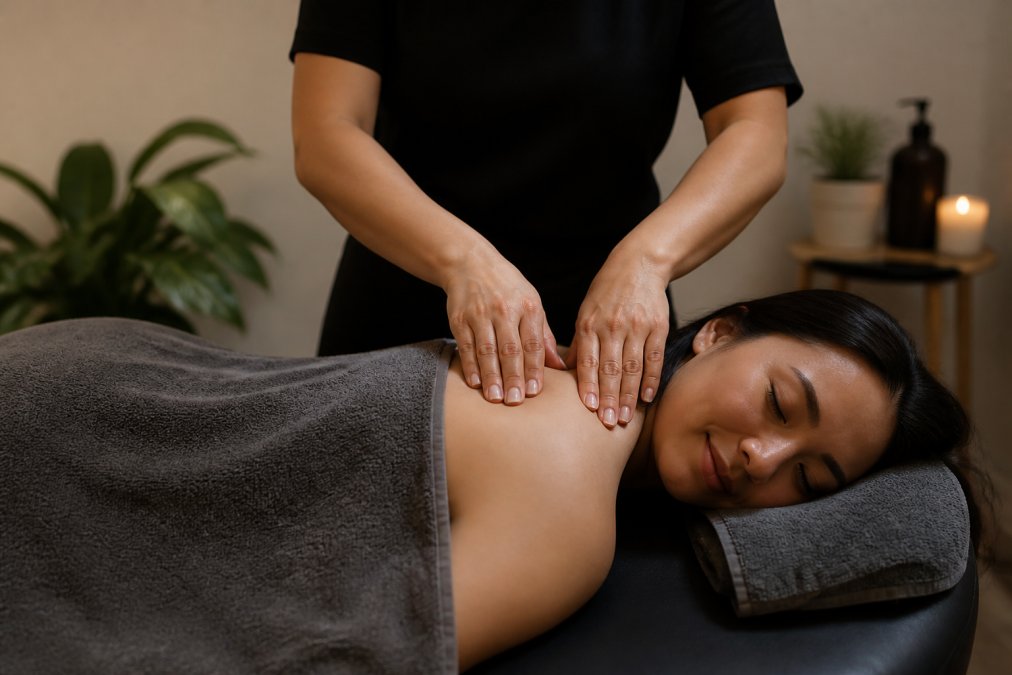
Your first appointment should begin with a consultation, not treatment. The practitioner will ask about your pain or concern, your medical history, any surgeries, and your goals, then explain what they recommend and why.
From there, expect the following:
- Assessment of movement, tension, or swelling in the relevant area
- A treatment plan with an estimated number of sessions
- The first treatment, adjusted to your comfort level
- Aftercare advice, including hydration and any activity to avoid
Most people feel some tenderness for a day or two after deeper work, which is normal. Lymphatic drainage is far gentler and rarely leaves soreness. If you are recovering from surgery, bring any guidance your surgeon has provided, since the Australian Commission on Safety and Quality in Health Care notes that post-operative care should follow your treating team's instructions.
Persistent pain and post-surgical swelling rarely resolve on their own, and guessing at the right treatment wastes both time and money. LOEDA offers a calm, welcoming space in Point Cook where qualified practitioners provide remedial massage, Vodder-trained manual lymphatic drainage, acupuncture, and Chinese medicine, with a plan built around your specific situation rather than a fixed package. If you have been searching for a Point Cook chiro alternative for massage, book a consultation and get a clear answer on what will actually help.
Frequently Asked Questions
What is the difference between remedial massage and chiropractic treatment?
Remedial massage works on muscles, tendons and fascia to release tightness and improve circulation, while chiropractic focuses on spinal alignment and joint adjustment. Remedial massage is generally hands-on and pressure-based, whereas chiropractic often involves quick thrusts. Both can help with back pain, but the approach and sensation differ. A remedial massage therapist will assess your posture and movement before treating specific areas.
Do I need a referral for remedial massage therapy?
In most cases you do not need a referral to book a remedial massage. You can contact a clinic directly and make an appointment. However, if you plan to claim through private health insurance, check your fund's requirements, as some may ask for a GP referral or a specific provider type. For chronic conditions, a GP management plan may also open access to allied health rebates.
How does manual lymphatic drainage support recovery after cosmetic surgery?
Manual lymphatic drainage uses gentle, rhythmic strokes to encourage lymph fluid movement, which can help reduce swelling, bruising and fluid retention after surgery. It is often recommended post-operatively to support the body's natural healing process. The technique is very light and should be performed by a trained practitioner. Always follow your surgeon's advice about when to start and which provider to see.
What should I look for when choosing a wellness clinic?
Look for qualified practitioners with relevant certifications, a clean and calming environment, and clear communication about treatment plans. Ask about their experience with your specific concern, whether they offer a range of therapies, and how they handle privacy and aftercare. Reading verified reviews and checking if they belong to a professional association can also help you feel confident in your choice.