 blog
Acupuncture for Hormonal Balance and Stress
Table of Contents
- How Acupuncture May Affect Hormonal Balance
- Acupuncture for Stress Relief and the Stress Response
- Acupuncture for Hormonal Imbalance and Endocrine Function
- Acupuncture for Menstrual Symptoms and Cycle Regulation
- Acupuncture for Fertility and Hormonal Issues
- What the Research Actually Shows
- Choosing a Qualified Practitioner and Setting Realistic Expectations
- Frequently Asked Questions
Last Updated: October 20, 2026
How Acupuncture May Affect Hormonal Balance
Acupuncture for hormonal balance and stress works through the body's endocrine system and nervous system. When acupuncture needles stimulate specific points, they may trigger responses that influence hormone production.
Research from a literature review on acupuncture and women's sex hormones found that studies generally show increases in oestrogen, progesterone, prolactin, and other hormones after acupuncture treatment. However, these changes don't automatically mean the body has achieved true hormonal balance.
The pituitary gland sits at the base of the brain and controls much of your hormone production. Acupuncture may influence this gland through the nervous system, potentially affecting how your body regulates hormones. The endocrine system responds to stress, and acupuncture's calming effect on the nervous system may help reduce stress-related hormone disruption.
Acupuncture for Stress Relief and the Stress Response
Stress triggers cortisol release from the adrenal glands. When cortisol stays elevated, it disrupts sleep architecture, mood regulation, and reproductive hormone signalling. Acupuncture is thought to act on the stress response at the level of the autonomic nervous system, the branch that controls heart rate, breathing, digestion, and glandular output, rather than by directly lowering or raising any single hormone.
The autonomic balance between your sympathetic (fight-or-flight) and parasympathetic (rest-and-digest) systems determines how stressed your body feels. Most people spend too much time in sympathetic activation. Acupuncture sessions are associated with shifts toward parasympathetic dominance, which may:
- Lower perceived stress and tension
- Slow heart rate and deepen breathing
- Reduce muscle guarding in the neck, jaw, and shoulders
- Improve sleep onset and sleep quality
- Steady mood and daytime energy
What the evidence does and does not show
A common pattern in the research is that acupuncture produces measurable improvements in self-reported stress, anxiety, and sleep quality compared with usual care or waiting lists. What the evidence does not show is that acupuncture reliably "normalises" cortisol or any other hormone level in a predictable way. Cortisol fluctuates hourly, responds to sleep, caffeine, exercise, and illness, and is difficult to measure meaningfully outside a controlled research setting. Treat any claim that a course of acupuncture will bring your cortisol "back to normal" with caution.
How to track whether it is working for you
Because hormone levels are an unreliable day-to-day measure, track outcomes you can actually observe. A practical approach is to score four things weekly on a simple 0-10 scale:
- Perceived stress (how overwhelmed you felt most days)
- Sleep quality (how rested you woke)
- Energy (afternoon slump severity)
- Mood steadiness (irritability or low mood frequency)
Record these before your first session and review them at weeks 4, 8, and 12. Most practitioners find that meaningful change in stress and sleep is reported somewhere between weeks 4 and 8 of consistent weekly treatment, though individual responses vary widely. If you see no shift by week 8, that is useful information, discuss with your practitioner whether to adjust the plan or whether acupuncture is the right fit for you.
Acupuncture for Hormonal Imbalance and Endocrine Function
Hormonal imbalance affects energy, mood, metabolism, and reproductive function. The endocrine system includes your pituitary, thyroid, adrenal glands, and reproductive organs. These glands communicate through feedback loops that acupuncture may help regulate.
According to a study on acupuncture modalities and sex hormones, acupuncture interventions may have potential value in regulating sex hormone levels and improving perimenopausal symptoms. The research suggests that different acupuncture techniques produce varying effects on hormone regulation.
Acupuncture for hormonal imbalance targets specific organ systems through traditional Chinese medicine principles. Practitioners select acupuncture points based on which systems need support:
- Liver function: affects hormone metabolism and detoxification
- Kidney function: supports reproductive and stress-response hormones
- Spleen function: influences digestion and nutrient absorption needed for hormone production
Regular treatments allow these systems to recalibrate. Most practitioners recommend weekly or bi-weekly sessions for 8-12 weeks to establish noticeable shifts in hormone regulation.
Acupuncture for Menstrual Symptoms and Cycle Regulation
Menstrual irregularities, heavy bleeding, painful periods, and PMS all signal hormonal imbalance. Acupuncture addresses the underlying hormone dysregulation that causes these symptoms.
A review of acupuncture and women's health found preliminary evidence that acupuncture may improve menstrual health and help women cope with delays in falling pregnant. The research emphasises that these findings are preliminary, meaning more evidence is needed before definitive claims can be made.
Acupuncture for menstrual symptoms works by:
- Regulating the hormones that control your cycle
- Reducing inflammation in the uterus and pelvic region
- Improving blood flow to reproductive organs
- Calming the nervous system to reduce period pain
Many women report lighter, more regular periods within 2-3 cycles of consistent treatment. Pain levels often decrease significantly. However, results vary based on the underlying cause of your symptoms and how consistently you receive treatment.
Acupuncture for Fertility and Hormonal Issues
Fertility depends on precise hormone timing and healthy reproductive organs. Acupuncture for fertility and hormonal issues addresses both the hormonal environment and blood flow to the uterus and ovaries.
Acupuncture may support fertility by:
- Regulating FSH and LH hormones that control ovulation
- Improving uterine blood flow
- Reducing stress and cortisol (which suppresses reproductive hormones)
- Thickening the uterine lining
- Improving egg quality through better nutrient delivery
Acupuncture for fertility and hormonal issues works best when started 3-4 months before attempting conception, giving your cycle time to regulate and your body time to respond.
The research on acupuncture and fertility remains preliminary. A review of acupuncture and women's health notes that evidence exists for improved menstrual health and coping with delays in falling pregnant, but larger studies are needed to confirm specific fertility outcomes.
| Fertility Goal | Acupuncture Frequency | Typical Duration | Best Started |
|---|---|---|---|
| Natural conception | Weekly | 3-6 months | 3-4 months before trying |
| IVF support | 1-2 weekly | Throughout cycle | Before stimulation begins |
| Cycle regulation | Weekly | 2-3 months | Immediately |
| Stress reduction | 1-2 weekly | Ongoing | Anytime |
What the Research Actually Shows
The research on acupuncture for hormonal balance and stress shows promise, but the evidence has important limits. Studies demonstrate that acupuncture affects hormone levels. What remains unclear is whether these changes translate to real clinical benefits for all conditions.
A systematic review and meta-analysis on acupuncture for menopausal depressive disorder found that acupuncture significantly outperformed control interventions, with an odds ratio of 2.70. However, the review notes that sample sizes and study design details weren't fully reported, making it hard to assess the strength of this finding.
What the research tells us:
- Acupuncture does affect hormone levels
- Effects on stress and mood show measurable improvement
- Menstrual and menopausal symptoms often improve
- Evidence for fertility is preliminary
- Individual results vary significantly
The gap between "acupuncture affects hormones" and "acupuncture cures hormonal imbalance" is important. Acupuncture appears to help your body regulate hormones better, not to replace missing hormones or fix structural problems.
Choosing a Qualified Practitioner and Setting Realistic Expectations
Not all acupuncturists have equal training or experience. Choosing a qualified practitioner matters because acupuncture requires skill to be effective and safe, and in Australia, registration and safety standards give you concrete things to check.
What to check before you book
- Registration: In Australia, acupuncturists are registered with the Chinese Medicine Board of Australia (CMBA) under the Australian Health Practitioner Regulation Agency (AHPRA). You can verify registration status for free on the AHPRA public register.
- Qualifications: A minimum of a bachelor-level qualification in acupuncture or Chinese medicine is standard for registered practitioners.
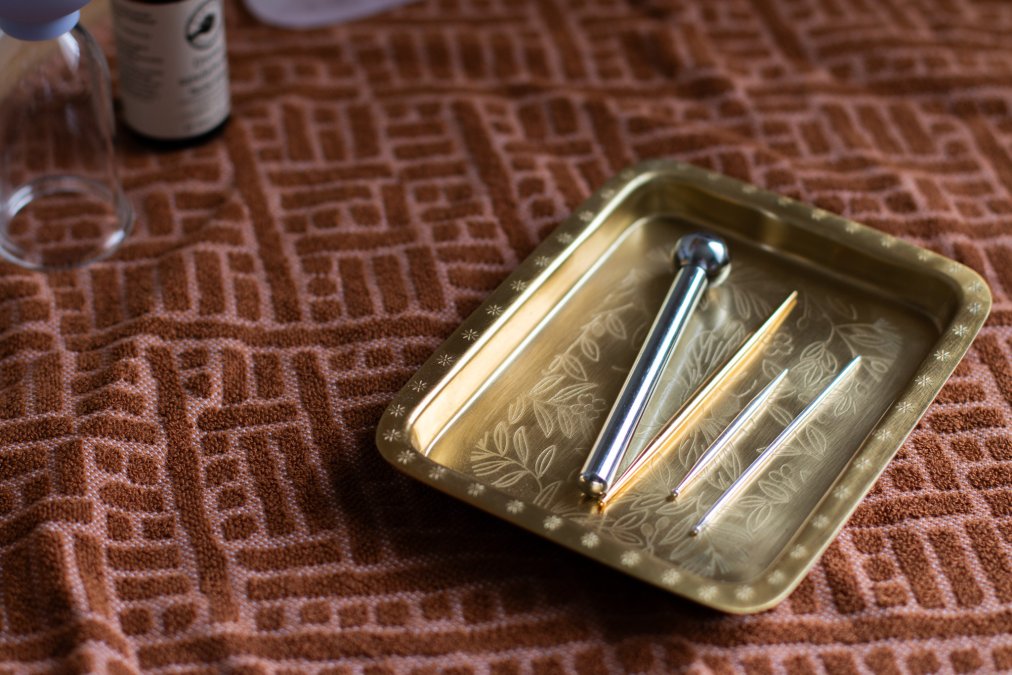
- Infection control: Ask about needle practices. Registered practitioners are expected to use sterile, single-use, disposable needles and follow infection prevention and control guidelines.
- Experience with your concern: Ask whether the practitioner regularly treats stress, menstrual symptoms, fertility, or menopausal symptoms.
- Consultation quality: A thorough initial consultation should cover your history, medications, and any relevant medical conditions before treatment begins.
- Clear plan: A good practitioner explains the proposed treatment plan, expected number of sessions, and realistic timelines, and is comfortable saying when acupuncture is unlikely to help.
Safety and contraindications
Acupuncture is generally considered low-risk when performed by a registered practitioner with sterile needles. Common side effects are minor and short-lived: small bruises, mild soreness at needle sites, or feeling light-headed after a session. Serious adverse events are rare.
Tell your practitioner if you:
- Take blood-thinning medication or have a bleeding disorder
- Are pregnant or trying to conceive
- Have a pacemaker or implanted electrical device
- Have a compromised immune system
- Have lymphoedema or have had lymph nodes removed
- Have a needle phobia or history of fainting
If any of these apply, your practitioner may adjust points, technique, or session length, or advise that acupuncture is not appropriate for you.
Setting realistic expectations
Acupuncture for hormonal balance and stress typically requires:
- Initial phase: 6-12 weekly sessions to establish effect
- Maintenance phase: 1-2 sessions monthly once symptoms improve
- Timeline: 2-3 months before noticeable change for most people
- Cost: Varies by practitioner and location; check LOEDA's pricing page for current rates. Some private health extras policies include acupuncture cover, check your fund and level of cover before booking.
Results aren't instant. Your nervous system needs repeated signals. Your hormones need time to recalibrate. Your body needs consistency. Most people who commit to regular treatment for 8-12 weeks report meaningful improvement in sleep, mood, energy, and cycle regularity, but individual responses vary, and some people do not respond.
At LOEDA, our practitioners specialise in acupuncture and Chinese medicine for women's health, fertility, and hormonal balance. We combine acupuncture with complementary therapies to support your overall wellness.
Frequently Asked Questions
Can acupuncture help with hormonal balance and stress?
Research suggests acupuncture may influence hormone levels and stress response. Studies have found increases in hormones such as oestradiol and progesterone after treatment, though these changes do not yet establish clinically proven 'hormonal balance'. For stress and mood, a 2025 meta-analysis found acupuncture significantly outperformed control interventions for menopausal depressive disorder. However, evidence remains preliminary for many conditions. Consult a qualified practitioner to discuss whether acupuncture suits your specific needs.
How often should you have acupuncture for hormonal symptoms?
Treatment frequency varies based on your condition and individual response. Most practitioners recommend weekly or fortnightly sessions initially, then adjust based on symptom improvement. The optimal schedule depends on whether you're addressing acute symptoms, chronic imbalance, or supporting fertility. A qualified acupuncturist will assess your needs during a consultation and outline a personalised treatment plan. Discuss your budget and availability upfront so expectations align.
What should I expect at an acupuncture appointment?
Your first appointment typically includes a detailed health history, discussion of symptoms, and examination relevant to your condition. The practitioner will explain the treatment approach and answer questions. During treatment, fine needles are inserted at specific acupuncture points and left in place for 15-30 minutes while you rest. Most people find the experience relaxing. Mild sensations are normal; significant pain is not. Wear loose, comfortable clothing. Bring a list of current medications and any medical concerns.
Is acupuncture safe for hormonal issues and stress?
Acupuncture is generally considered safe when performed by a qualified, registered practitioner using sterile needles. Mild side effects such as temporary bruising or fatigue occasionally occur. However, it is not suitable for everyone. Inform your practitioner of bleeding disorders, anticoagulant use, pregnancy, or pacemakers. Acupuncture should complement, not replace, medical care for serious hormonal or mental health conditions. Always consult your GP or specialist before starting treatment, especially if you have existing health concerns or take medications.