 how-to
How Can You Manage Chronic Pain Naturally at Home?
Last Updated: November 4, 2026
Quick Summary
Managing chronic pain at home works best with several steps together: track your pain daily, use gentle pacing and movement, and practise slow breathing and mindfulness to calm the nervous system. Complementary options like remedial massage or acupuncture can also be explored with a qualified practitioner.
- Rate your pain from 0 to 10 each morning and evening and note triggers.
- Use the baseline-and-build method to balance activity and rest.
- Try slow breathing: four counts in, six counts out, for five minutes.
- Mindfulness-based stress reduction is recommended for chronic low-back pain based on moderate-quality evidence.
- Speak with your GP before starting exercise if you have a diagnosed joint, nerve or heart condition.
Table of Contents
- Understanding Why Chronic Pain Persists
- Building a Pain Tracking Routine at Home
- Using Movement, Pacing and Gentle Exercise
- Calming the Nervous System with Mindfulness and Breathing
- Acupuncture for Chronic Pain Relief: What to Expect
- Remedial Massage Benefits for Pain and Muscle Tension
- Your Next Step: Booking a Consultation to Build Your Plan
- Frequently Asked Questions
Chronic pain can wear down your body, your sleep and your mood, and many people are looking for ways to manage it at home without relying only on medication. This guide explains what you can do at home, what to expect from complementary care, and when to speak with a qualified professional.
Understanding Why Chronic Pain Persists
Chronic pain is pain that lasts beyond the normal healing time, often three months or more. It does not always mean that tissue is still damaged. The nervous system can stay on alert, sending pain signals even after an injury has healed.
This is why a holistic approach matters. Pain is shaped by muscle tension, stress, sleep and how the brain processes danger signals. Managing chronic pain naturally at home means working on several of these factors at once. Because immune activity can also influence pain, the same attention to stress, sleep and daily routines can support managing autoimmune symptoms alongside chronic pain.
Psychological factors also play a real role. Stress and worry can raise muscle tension and lower your pain threshold, which creates a cycle that is hard to break. Mindfulness-based stress reduction is recommended as an option for chronic low-back pain based on moderate-quality evidence (National Center for Complementary and Integrative Health, mind-body approaches for pain).
Building a Pain Tracking Routine at Home
Tracking your pain is one of the simplest steps you can take. Without a record, it is easy to forget which days were worse and what you did before them.
Try a short daily log that covers:
- Pain level: Rate it from 0 to 10 each morning and evening.
- Triggers: Note activities, weather, poor sleep or stressful days.
- What helped: Record stretches, heat, rest or any therapy you used.
- Sleep quality: A simple rating from 1 to 5 is enough.
- Mood: Track whether you felt calm, anxious or low.
Review your log each week. Patterns often appear within two or three weeks. You can bring this record to your next appointment, which helps your practitioner understand your pain more clearly.
The article suggests a simple daily log covering these areas:
| Item | What to record | Frequency |
|---|---|---|
| Pain level | Rate from 0 to 10 | Morning and evening |
| Triggers | Activities, weather, poor sleep or stress | Daily |
| What helped | Stretches, heat, rest or therapy used | Daily |
| Sleep quality | Rate from 1 to 5 | Daily |
| Mood | Calm, anxious or low | Daily |
| Review | Look for patterns in your log | Weekly |
Using Movement, Pacing and Gentle Exercise
Many people with chronic pain rest too much during a flare-up, which can make stiffness and weakness worse. Pacing means balancing activity and rest so you do not overdo it on good days or crash on bad ones.
A simple way to start is the baseline-and-build method. Choose an activity you can currently do on a bad day without a significant pain spike, for example, a five-minute walk, or two minutes of gentle shoulder rolls. That is your baseline. Do that amount every second day for a week, regardless of whether you feel good or bad. If your pain stays stable, you might gradually increase the amount the following week. If pain flares and lasts more than a day, return to the previous level for a week before trying again.
Gentle, regular movement is a common starting point. Short walks, easy stretching and light strength work can all help. Start small and build up slowly. Examples include:
Break larger tasks into smaller chunks and alternate activity with rest before pain spikes, not after. A common pattern is to spread heavier household tasks across the week rather than doing them all on a good day.
Watch out: a good day is not a green light to double your activity. Overdoing it on a low-pain day is the most common trigger for a multi-day flare, and it undermines the confidence you need to keep going.
A qualified professional can help you learn safe movement and tailor a plan to your body. If you have not exercised in a long time, or you have a diagnosed condition affecting your joints, nerves or heart, speak with your GP or an accredited exercise physiologist before starting.
Calming the Nervous System with Mindfulness and Breathing
Slow breathing and mindfulness can help settle a nervous system that is stuck in pain mode. Slow breathing is often used to encourage a calmer state, which some people find eases muscle tension.
Worry about a flare-up can sometimes lead to guarding the painful area, which may increase muscle tension.
Try this short breathing exercise:
- Sit comfortably with your back supported.
- Breathe in slowly through your nose for four counts.
- Breathe out gently for six counts.
- Repeat for five minutes, once or twice a day.
Many people find that a longer exhale feels calming. If five minutes feels like too much on a high-pain day, two minutes still counts.
Beyond breathing, three psychological tools are worth building into your week:
- Body scan: Lie down and move your attention slowly from feet to head, noticing sensations without trying to change them.
- Pacing thoughts: When you notice a worried thought, you might write it down and note a more balanced alternative beside it.
- Values-based activity: Choose one small activity each day that matters to you and do it at a comfortable pace.
Mindfulness, meditation and gentle yoga are commonly used to support relaxation. Regular practice, even for a few minutes a day, may help you get started.
Watch out: mindfulness is not a substitute for treating an underlying condition, and if pain is accompanied by persistent low mood, hopelessness or loss of function, that is a signal to speak with your GP about psychological support rather than pushing on alone.
Sleep hygiene is part of this picture too. Keep a regular bedtime, reduce screens before bed and keep your room cool and dark. Poor sleep and pain reinforce each other, so protecting sleep is one of the highest-value changes you can make.
Acupuncture for Chronic Pain Relief: What to Expect
Acupuncture involves inserting fine needles at specific points on the body. It is one complementary option that some people with chronic pain explore alongside their other care.
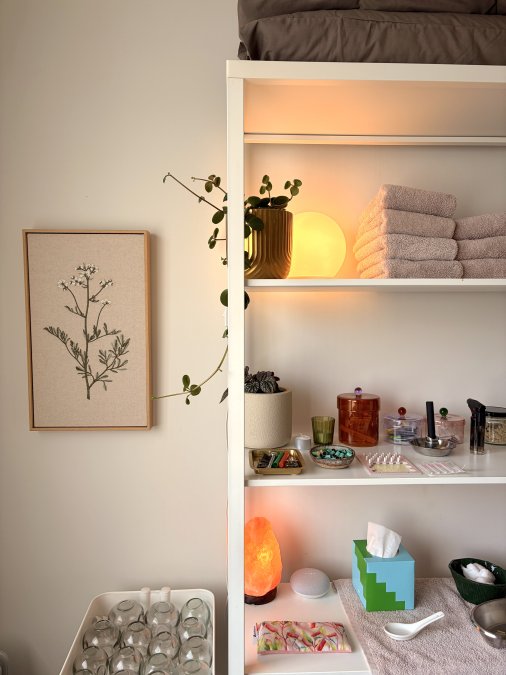
Many people find a session relaxing. Sensations such as a dull ache or warmth are sometimes reported. A practitioner will usually ask about your health history and goals before beginning.
Results vary from person to person, and acupuncture is not a guaranteed cure. If you are considering it, a consultation can help you understand whether it suits your situation. You can learn more about our acupuncture and Chinese medicine services on our acupuncture and Chinese medicine service page.
Remedial Massage Benefits for Pain and Muscle Tension
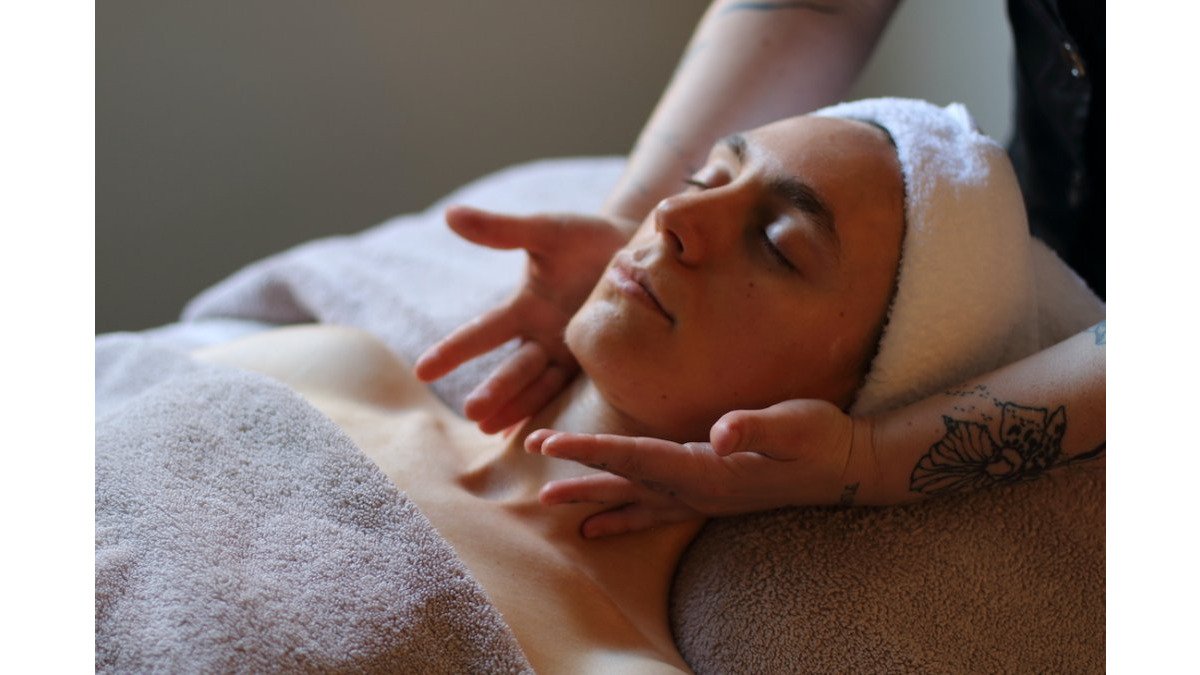
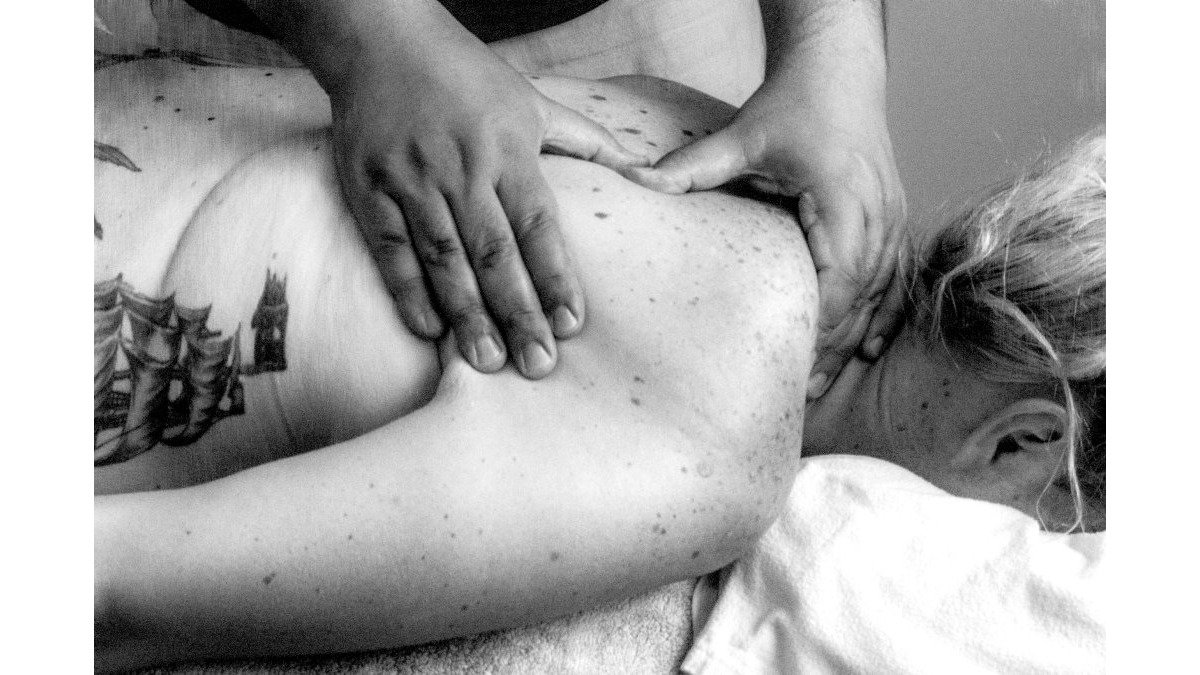
Remedial massage focuses on easing muscle tension and tightness. Some people use it to support their everyday routine.
Some people report:
- Less muscle tightness in the back, neck and shoulders
- A calmer, more relaxed state after a session
Massage is often most useful as part of a wider plan. Pair it with movement, breathing and good sleep habits. For more depth on myotherapy as a pain option, read our Myotherapy for Chronic Pain guide.
Your Next Step: Booking a Consultation to Build Your Plan
Managing chronic pain at home works best with a clear plan and support. Start with pain tracking, gentle movement and a few minutes of breathing each day. Then speak with a qualified professional about which complementary options may suit you.
At LOEDA in Point Cook, our practitioners offer remedial massage, acupuncture and Chinese medicine in a calm, welcoming space. You can book a consultation to build your plan and talk through your goals with our team.
Frequently Asked Questions
What are the most effective natural ways to manage chronic pain?
Many people find that a combination of approaches can be helpful. Regular gentle movement, pacing daily activities to avoid flare-ups, sleep routines, mindfulness and breathing exercises, can all be part of a home routine. Mindfulness-based approaches are one option some people explore for stress-related pain. Start with one or two changes, track their effect for a few weeks, and build from there with guidance from your GP or allied health professional.
Can acupuncture help with long-term pain management?
Acupuncture is one option some people use alongside other pain management strategies. Responses vary, and it is often used as part of a broader plan rather than on its own. A qualified practitioner can assess whether it suits your situation. Acupuncture is not a replacement for medical assessment, and you should keep your GP informed about any treatment you are receiving.
When should I see a GP for chronic pain management?
See your GP if your pain is getting worse, changing in character, waking you at night, or affecting work, sleep or mood. You should also seek prompt medical attention if you notice new weakness, numbness, unexplained weight loss, fever, or pain following an injury. Your GP can review your history, arrange tests if needed, and help coordinate care with physiotherapists, psychologists or other specialists. Bring your pain diary to appointments, as it gives a clearer picture than memory alone.
Are there safe home-based alternatives to medication for pain?
Several home-based strategies can complement, and in some cases reduce reliance on, pain medication. These include regular low-impact movement, heat or cold packs, relaxation techniques, good sleep habits and a supportive home setup that reduces strain. Do not stop or change prescribed medication without speaking to your doctor first.
This article is general information only and is not a substitute for advice from your doctor or a qualified health professional. If your pain is severe, sudden or getting worse, seek medical advice promptly.