 how-to
Manual Lymphatic Drainage After Surgery: A Step-by-Step Guide
Table of Contents
- What Is Manual Lymphatic Drainage and Why It Matters After Surgery
- How Long After Surgery for Lymphatic Drainage to Begin
- Benefits of Lymphatic Drainage After Surgery
- Post-Surgical Swelling Management Through Drainage Techniques
- Step-by-Step Manual Lymphatic Drainage Recovery Protocol
- Safety, Contraindications, and When to Pause Treatment
- Manual Lymphatic Drainage vs. Standard Massage: What's the Difference
- Frequently Asked Questions
Last Updated: October 4, 2026
What Is Manual Lymphatic Drainage and Why It Matters After Surgery
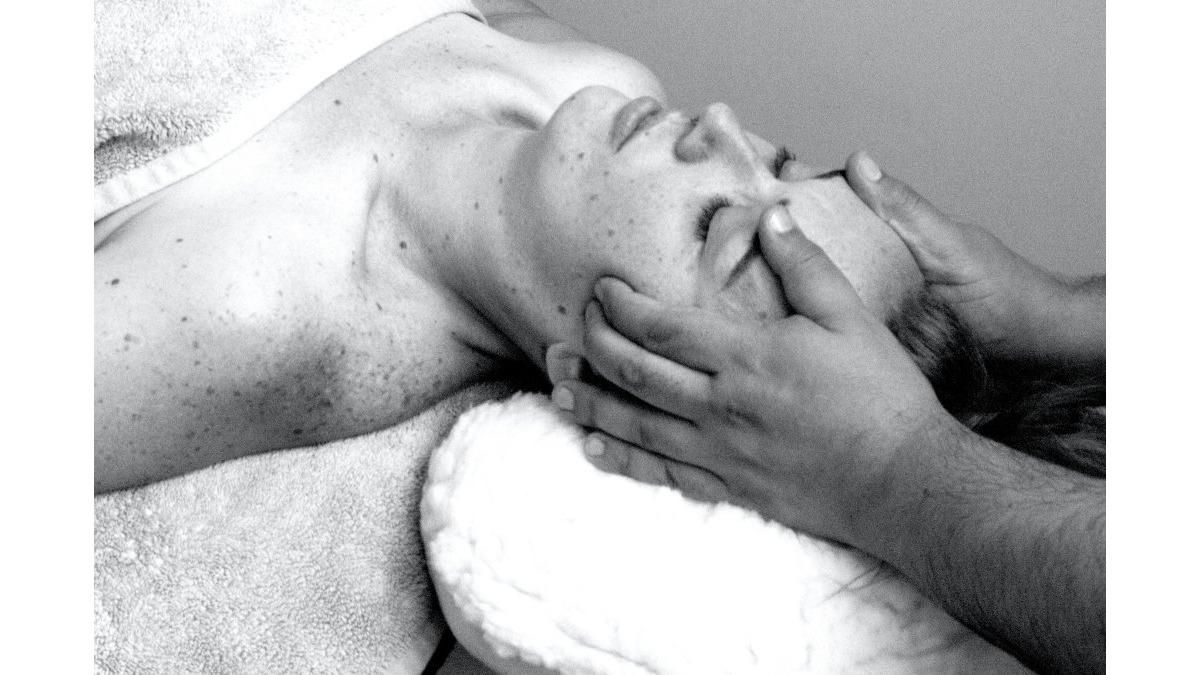
Manual lymphatic drainage (MLD) uses gentle, slow, repetitive hand movements to stimulate the lymphatic system and reduce fluid buildup in tissues following surgery, a precise, calming approach that supports your body's natural healing.
After surgery, your body accumulates excess fluid (called edema or swelling) as part of the inflammatory response, making lymphatic drainage after surgery essential for recovery. Your lymphatic system normally clears this fluid away, but surgical trauma can temporarily slow that process. That's where MLD comes in. According to research on post-surgical recovery outcomes, patients receiving MLD healed within six weeks to three months, significantly shortening postoperative recovery compared to those who did not receive it.
How the lymphatic system supports post-operative healing
Your lymphatic system collects excess fluid, cellular debris, and metabolic byproducts from tissues and transports them back to the bloodstream, your body's cleanup crew.
Surgery overwhelms this system. Surgical trauma triggers inflammation, causing fluid to pool around the incision and congesting lymph nodes. Without support, swelling persists for weeks or months, delaying healing and increasing discomfort.
MLD jumpstarts this cleanup process by:
- Opening lymphatic pathways so fluid can flow more easily
- Stimulating lymph nodes to process accumulated waste
- Reducing the inflammatory load on healing tissues
- Supporting your immune system during recovery
The technique works by following the body's natural lymphatic anatomy, guiding fluid along correct channels rather than pushing against them.
The role of fluid removal in recovery
Excess fluid actively slows healing by compressing blood vessels, reducing oxygen delivery, and keeping inflammatory markers elevated, which prolongs pain and delays scar tissue maturation.
By facilitating the removal of this fluid, MLD creates an environment where your body can heal faster. Research from comparative recovery outcomes for post-surgical patients shows that MLD provides statistically significant decreases in pain and clinically significant reductions in edema. This means less swelling, less pain, and faster return to normal function.
How Long After Surgery for Lymphatic Drainage to Begin
Timing is crucial: too early can disrupt fresh surgical sites, but waiting too long allows fluid to become trapped and inflammation to worsen.
Early intervention protocols and timing considerations
Practitioners debate optimal timing. Some recommend waiting 2 to 6 weeks post-op; others, including many in return-to-play and cosmetic surgery, advocate starting within 3 days to facilitate faster fluid movement and reduce inflammatory markers.
Early intervention protocols in post-operative care suggest that beginning treatment within 3 days can significantly reduce fluid buildup before it becomes problematic. A 2026 study involving 201 patients compared those receiving MLD plus conventional treatment against those receiving conventional treatment alone, and the MLD group demonstrated significant reductions in both inflammatory and stress markers at 30 days post-surgery.
The key is individualisation: your surgery type, technique, and wound closure method influence ideal timing.
What your surgeon's guidance means for your recovery timeline
Your surgeon's recommendation is based on your procedure's specific healing demands. Your surgeon understands your incision depth, tissue trauma, and closure method.
Before booking MLD, confirm with your surgeon when incisions are closed enough for gentle work, areas to avoid, whether they recommend compression therapy, and what complications to watch for.
Benefits of Lymphatic Drainage After Surgery
The evidence for MLD in post-surgical recovery is strong. Beyond reducing swelling, it addresses several aspects of recovery that matter to your quality of life.
Reducing inflammation and tissue healing acceleration
Initial inflammation triggers immune response and brings healing nutrients, but prolonged inflammation delays recovery and increases pain. MLD modulates this response by facilitating removal of inflammatory mediators and metabolic waste.
When fluid drains efficiently, oxygen and nutrient delivery improves, scar tissue matures more evenly, pain decreases (often within the first week), bruising resolves faster, and swelling diminishes. Timeline depends on surgery type, your body's healing capacity, and treatment start time.
Pain reduction and scar tissue softening
Pain after surgery comes from incision trauma, inflammation, fluid pressure on nerves, and muscle tension. As swelling decreases, nerve pressure reduces and pain improves. Improved lymphatic flow delivers more oxygen to healing tissues, reducing pain signalling.
Scar tissue also benefits. Excess fluid and inflammation cause scar tissue to form irregularly and adhere to surrounding tissues. When you reduce that inflammatory environment, scar tissue develops more smoothly and remains more mobile. This means better movement, less tightness, and improved cosmetic outcomes months down the line. Integrating gentle gua sha techniques into your recovery routine further encourages this healthy tissue remodeling by stimulating circulation and softening persistent adhesions.
Post-Surgical Swelling Management Through Drainage Techniques
Swelling is inevitable after surgery, but it doesn't have to linger for months. Strategic management combines MLD with other evidence-based techniques.
Combining manual lymphatic drainage with compression therapy
MLD works best with compression garments: MLD moves fluid out of congested tissues, but without compression, fluid re-accumulates. Compression prevents backflow and maintains treatment progress.
Effective post-surgical swelling management includes consistent compression garments, elevation, gentle movement, hydration, and gradual return to activity as cleared by your surgeon.
Compression garments aren't optional extras, they're essential tools that amplify MLD results. Wear them as directed by your therapist, even when they feel uncomfortable. The discomfort is temporary; the benefit to your recovery is lasting.
Monitoring fluid retention and recognising progress
Progress isn't always linear. What matters is the overall trend over weeks.
Track circumference measurements, how clothing fits, pain levels, bruising, and how you feel (energy, sleep quality, mobility).
If swelling worsens suddenly, spreads to new areas, or is accompanied by fever or increasing pain, contact your surgeon immediately.

Step-by-Step Manual Lymphatic Drainage Recovery Protocol
MLD isn't a single treatment, it's a progressive protocol that evolves as your body heals. Understanding the phases helps you know what to expect and how to adjust your approach.
Phase one: Days 1-7 post-surgery
The first week is about protection and gentle initiation. Your incisions are fresh, and your body is in acute inflammatory mode.
Start MLD only if your surgeon has cleared it. Sessions are very gentle, focusing on unaffected areas first, with work beginning above the surgical site. The goal is gentle stimulation to support healing without disruption.
Phase two: Weeks 2-4 and therapeutic massage frequency
By week two, incisions are more stable.
During this phase, you'll likely notice visible decrease in swelling, significant pain reduction, improved mobility, better sleep, and bruising fading. Continue compression garments as directed.
Phase three: Beyond four weeks and long-term outcomes
After four weeks, acute healing is complete and scar tissue matures. MLD frequency decreases to once weekly or as-needed. Many patients continue occasional sessions for 2-3 months post-op; others finish after 4-6 weeks. Your therapist will guide you based on individual progress.
Long-term outcomes are significant.
Safety, Contraindications, and When to Pause Treatment
MLD is gentle and generally safe, but it's not appropriate for everyone or every situation. Knowing the boundaries protects your recovery.
Who should avoid lymphatic drainage and warning signs
MLD should be paused or avoided if you have:
- Active infection or fever (signals your body is fighting something serious)
- Unhealed or infected incisions (risk of spreading infection)
- Blood clots or deep vein thrombosis (MLD could mobilise clots)
- Severe pain that worsens with treatment (sign of underlying issues)
- Allergic reactions to massage oils or pressure
- Cancer history involving lymph node removal (requires specialist clearance)
Warning signs to stop treatment immediately:
- Increased pain or swelling despite treatment
- Fever or signs of infection
- Numbness or tingling that spreads
- Redness, warmth, or drainage from incisions
- Shortness of breath or chest pain
If any of these occur, contact your surgeon before your next MLD session.
Communication with your surgical team
Your surgeon and MLD therapist should be in conversation. This doesn't mean they need to speak directly, it means you're clear about what each has recommended and you're following their combined guidance.
Before starting MLD:
- Provide your therapist with your surgeon's post-op instructions
- Share any restrictions or special considerations
- Report your current pain and swelling levels
- Mention any complications or concerns
After starting MLD:
- Report progress to your surgeon at follow-up appointments
- Flag any unexpected reactions or setbacks
- Adjust frequency or intensity based on both professionals' input
- Continue compression therapy as directed
This collaborative approach ensures your recovery stays on track and any issues are caught early.
Manual Lymphatic Drainage vs. Standard Massage: What's the Difference
Many people assume all massage is the same. It isn't. Standard massage and MLD serve different purposes and use fundamentally different techniques.
Standard massage uses firmer pressure and broader strokes to release muscle tension, improve circulation, and promote relaxation. It feels good and has legitimate benefits for muscle health.
Manual lymphatic drainage uses much lighter pressure, often barely perceptible to the untrained eye, and follows specific anatomical pathways of the lymphatic system. The goal isn't muscle relaxation; it's moving fluid through lymphatic vessels.
The key differences:
| Aspect | Standard Massage | Manual Lymphatic Drainage |
|---|---|---|
| Pressure | Firm to moderate | Very light (skin-level) |
| Technique | Broad strokes, kneading | Specific directional movements |
| Focus | Muscle tension relief | Fluid movement |
| Timing | Anytime post-op | Surgeon-dependent timing |
| Best for | Muscle soreness, relaxation | Post-surgical swelling, edema |
After surgery, standard massage can actually worsen swelling by pushing fluid into already-congested tissues. MLD, by contrast, works with your lymphatic anatomy to facilitate drainage.
At LOEDA, we specialise in the original Vodder lymphatic drainage, a precisely trained method that delivers MLD's specific benefits without the guesswork of general massage. This expertise matters, particularly in early recovery when technique precision directly affects outcomes.
Post-surgical recovery demands more than time, it demands support. Manual lymphatic drainage isn't a luxury add-on; it's a clinically validated intervention that shortens recovery, reduces pain, and improves long-term outcomes. If your surgeon has recommended it or you're considering it, the evidence is clear: starting MLD at the right time, with a trained practitioner, accelerates healing.
LOEDA offers expert manual lymphatic drainage using the original Vodder method, designed specifically for post-operative recovery. Our practitioners understand the nuances of post-surgical timing, anatomy, and progression. Whether you're recovering from cosmetic surgery, reconstructive procedures, or other surgical interventions, we create a personalised recovery plan that supports your body's natural healing. Book a consultation with us to discuss your specific recovery needs and discover how MLD can shorten your healing timeline.
Frequently Asked Questions
When should I start manual lymphatic drainage after surgery?
Timing depends on your specific surgery and surgeon's advice. Some practitioners recommend starting within 3 days post-op to facilitate faster fluid movement, whilst others advise waiting 2-6 weeks. Early intervention protocols are increasingly recognised as beneficial, but your surgeon's clearance is essential. Discuss the optimal start date during your pre-operative consultation to ensure manual lymphatic drainage aligns with your individualised recovery plan.
How many sessions of lymphatic drainage do I need after surgery?
The exact number of manual lymphatic drainage sessions varies based on your surgical type, swelling severity, and response to treatment. A qualified therapist will assess your progress and adjust frequency accordingly. Most patients see meaningful results within a reasonable timeframe, though some may benefit from extended sessions depending on their tissue healing trajectory.
What are the main benefits of lymphatic drainage after surgery?
Manual lymphatic drainage can help reduce pain and edema (swelling). Patients may also experience improvements in wound healing, softened scar tissue, reduced bruising, and decreased inflammation. By facilitating the removal of metabolic waste byproducts and excess fluid, lymphatic drainage supports your body's natural physiological response to surgical trauma.
Is manual lymphatic drainage safe for all types of surgery?
Whilst manual lymphatic drainage is beneficial for most post-operative recovery, certain contraindications exist. Active infection, blood clots, or unhealed surgical wounds may require caution. Some surgical types have specific protocols. Always consult your surgeon before beginning any therapeutic intervention, including lymphatic drainage massage. A qualified practitioner will assess your individual circumstances and ensure treatment aligns with your clinical management plan and safety requirements.