 comparison
Fertility Support Alternatives: A Guide to Complementary Care
Table of Contents
- What Are Fertility Support Alternatives?
- Remedial Massage for Reproductive Health
- Manual Lymphatic Drainage and Fertility Benefits
- Acupuncture and Traditional Chinese Medicine for Fertility
- Other Complementary Approaches: Pelvic Floor Physiotherapy and Yoga
- Comparing Fertility Support Alternatives: Which Is Right for You?
- Safety Considerations and When to Seek Professional Guidance
- Frequently Asked Questions
Last Updated: September 20, 2026
What Are Fertility Support Alternatives?
Fertility support alternatives are complementary therapies that work alongside medical fertility treatment to optimise reproductive health, reduce stress, and enhance well-being during conception attempts. These include remedial massage, manual lymphatic drainage, acupuncture, Traditional Chinese Medicine, pelvic floor physiotherapy, and fertility yoga, each targeting different aspects of reproductive health, hormonal balance, and stress management. Evidence for fertility support alternatives varies by approach; understanding what's clinically backed helps you make informed choices about where to invest time and resources.
Remedial Massage for Reproductive Health
Remedial massage releases tension in pelvic muscles, improves blood flow to reproductive organs, and supports optimal reproductive function through skilled manual techniques.
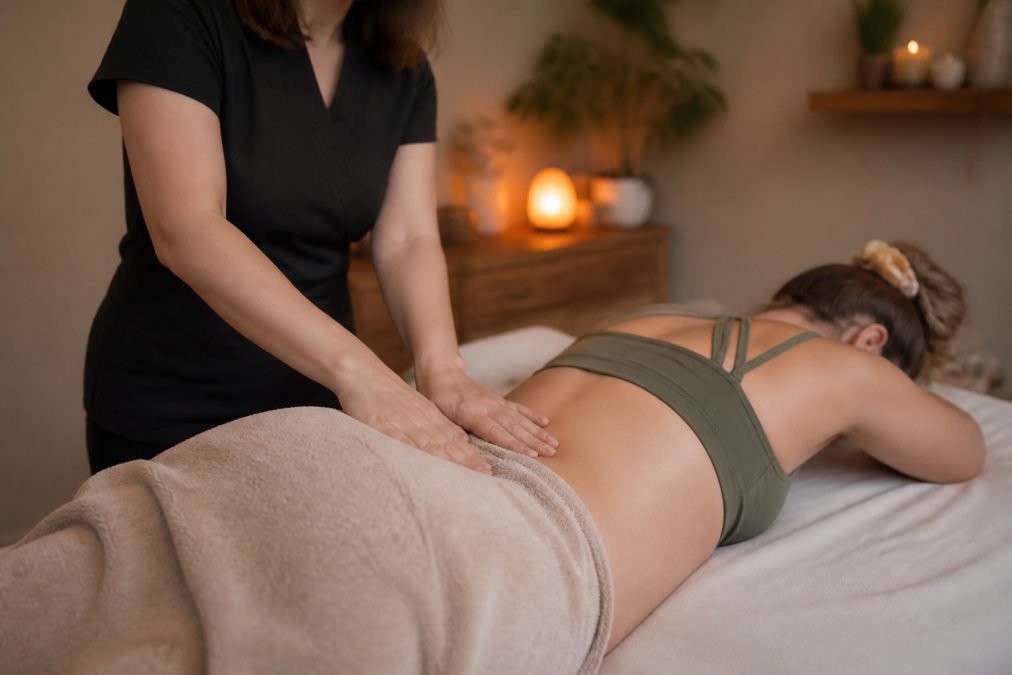
Better circulation improves nutrient delivery and waste removal. Tension in pelvic muscles restricts blood flow; remedial massage releases trigger points and promotes pelvic floor relaxation. Practitioners trained in reproductive health massage focus on the lower back, abdomen, and pelvic region, tailoring treatment to your specific needs. The therapy also calms the nervous system, shifting your body into rest-and-digest mode and redirecting resources toward reproductive function rather than stress response.
Manual Lymphatic Drainage and Fertility Benefits
Manual lymphatic drainage (MLD) supports the lymphatic system to remove excess fluid and inflammatory substances, reducing bloating and pelvic congestion for fertility support. The lymphatic system relies on manual stimulation to move fluid; sluggish flow from stress or hormonal changes causes pelvic congestion that interferes with reproductive function. LOEDA specialises in the Vodder method of lymphatic drainage, a gentle technique that moves stagnant fluid and reduces bloating during fertility treatment. MLD also calms the nervous system through its gentle, meditative quality, easing stress and anxiety during treatment cycles.
Acupuncture and Traditional Chinese Medicine for Fertility
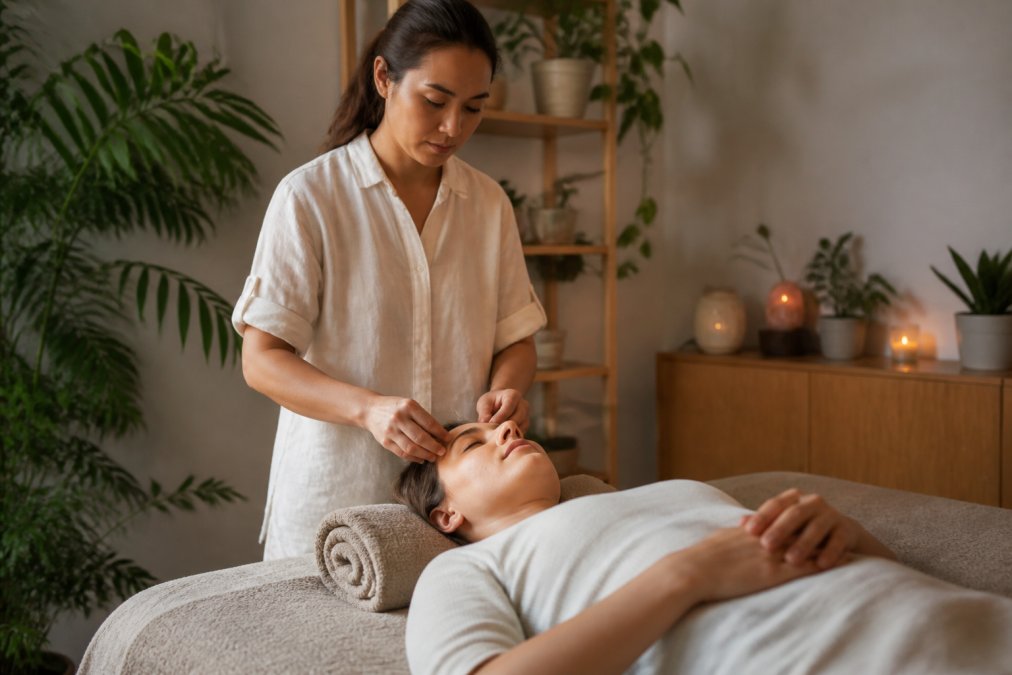
Acupuncture and Traditional Chinese Medicine (TCM) are among the most researched complementary approaches to fertility, addressing energy flow, hormonal regulation, and body system balance.
How TCM Supports Reproductive Hormones
TCM practitioners stimulate meridian points to regulate energy and blood flow to reproductive organs, optimising hormonal signalling and uterine blood flow. Acupuncture influences the hypothalamic-pituitary-ovarian axis, potentially normalising FSH and LH release for egg development and ovulation, particularly valuable for irregular cycles and PCOS. Acupuncture around egg pick-up and embryo transfer may support endometrial receptivity and reduce stress that interferes with implantation.
Herbal Medicine and Cycle Regulation
TCM herbal medicine complements acupuncture with individualised botanical formulations addressing low ovarian reserve, poor egg quality, thick endometrium, and other conception challenges. Registered TCM practitioners assess your cycle, digestion, sleep, and stress to create tailored herbal formulations adjusted throughout your fertility treatment. The Chinese Medicine Board of Australia regulates TCM practitioners, ensuring they understand safety considerations when combining herbs with fertility medications.
Other Complementary Approaches: Pelvic Floor Physiotherapy and Yoga
Pelvic floor physiotherapy addresses chronic tension that restricts blood flow and contributes to pain, prescribing targeted exercises to improve strength, flexibility, and relaxation. Fertility yoga uses restorative poses, breathwork, and meditation to reduce cortisol, improve pelvic blood flow, and support the physical and psychological aspects of fertility.
| Approach | Primary Focus | Best For | Time Commitment |
|---|---|---|---|
| Remedial Massage | Circulation & tissue release | Pelvic tension, stress reduction | 1-2 sessions monthly |
| Manual Lymphatic Drainage | Fluid movement & detoxification | Bloating, post-operative recovery | 1-2 sessions per cycle |
| Acupuncture & TCM | Hormonal regulation & energy flow | Cycle irregularity, stress management | Weekly during treatment cycles |
| Pelvic Floor Physiotherapy | Musculoskeletal function | Tension, pain, blood flow | 6-8 sessions typically |
| Fertility Yoga | Stress reduction & relaxation | Nervous system regulation | 2-3 classes weekly |
Comparing Fertility Support Alternatives: Which Is Right for You?
Choosing fertility support alternatives depends on your situation and budget, but the key challenge is timing treatment relative to your fertility cycle.
The Integration Timeline: When to Start Each Therapy
If you're pursuing IVF, a structured approach to complementary therapy timing maximises benefit and minimises interference with your medical protocol.
Pre-cycle phase (4-8 weeks before stimulation starts): Begin weekly acupuncture and TCM herbal medicine to regulate your cycle, improve egg quality, and optimise uterine blood flow before hormonal stimulation begins.
Cost-Benefit Analysis: Investment vs. Realistic Outcomes
Understanding the financial commitment helps you build a sustainable plan. Understanding the financial commitment helps you build a sustainable plan. Pricing for our services is available on our website.
Matching Therapy to Your Primary Concern
If pelvic tension and circulation are your focus: remedial massage offers direct physical benefits and can begin immediately. Combine with acupuncture for hormonal support.
Safety Considerations and When to Seek Professional Guidance
While complementary therapies are generally safe, certain precautions and contraindications matter when you're undergoing fertility treatment. Understanding not just how to use these therapies safely, but when not to use them, is equally important.
What Is Actually Safe vs. What Is Marketing Caution
Much fertility wellness marketing uses cautionary language without evidence; moderate movement during IVF is safe, and herb risks are minimal if they don't interact with your medications. Evidence-based safety warnings address documented risks; marketing caution restricts choices unnecessarily. Qualified practitioners should explain the reasoning behind precautions.
Genuine Contraindications: When NOT to Use Specific Therapies
Acupuncture contraindications:
- Active infection or fever: Wait until resolved, as acupuncture stimulates the immune system.
- Severe bleeding disorders or anticoagulant use: Discuss with your doctor and acupuncturist due to bruising and bleeding risk.
- Needle phobia: Explore other modalities if treatment triggers panic.
- Immediate pre-retrieval window: Most practitioners pause acupuncture 24-48 hours before egg retrieval.
Herbal medicine contraindications:
- Certain herbs during stimulation: Phytoestrogen-rich herbs (red clover, sage) may interfere with hormone levels. A qualified TCM practitioner will screen and adjust formulations.
- Herbs that thin blood: Inform your TCM practitioner if taking aspirin; ginger, turmeric, and ginkgo have mild anticoagulant properties.
- Liver or kidney disease: Discuss herbal medicine with your doctor before starting.
Remedial massage and lymphatic drainage contraindications:
- Immediately after egg retrieval: Avoid deep abdominal massage for 48-72 hours; light massage is fine.
- Active infection or fever: Wait until infection clears.
- Severe varicose veins or thrombosis risk: Discuss massage safety with your doctor.
- Recent abdominal surgery: Wait for surgical clearance before resuming massage.
Pelvic floor physiotherapy contraindications:
- Active pelvic infection: Avoid internal work; external work is fine.
- Severe pelvic pain of unknown origin: See your gynaecologist first to rule out other conditions.
Fertility yoga contraindications:
- Inversions during menstruation or immediately after retrieval: Many fertility yoga instructors avoid inversions out of caution; ask your instructor about their approach.
- Deep twists during stimulation or post-transfer: Avoid deep spinal twists; gentle, supported twists are fine.
Drug Interactions: The Real Risk
The most concrete safety concern is herbal-medication interaction. Some herbs can affect how your body metabolises fertility drugs or other medications. For example, St. John's Wort can reduce the effectiveness of hormonal contraceptives and may theoretically affect fertility medication metabolism, avoid it during IVF. Grapefruit and grapefruit juice can interfere with how your body processes certain medications; if you're taking any fertility drugs, ask your pharmacist whether grapefruit is safe. High-dose vitamin E and fish oil have mild anticoagulant effects; if you're taking aspirin for implantation support, discuss dosing with your doctor.
Communication Is Your Safety Net
The single most important safety practice is integration and transparency: Inform your fertility clinic of all complementary therapies you're pursuing, including acupuncture, herbal medicine, massage, and supplements. Inform your complementary practitioners that you're undergoing IVF or other fertility treatment so they can tailor treatment safely. Ask your practitioners to explain the 'why' behind any precaution. Report any unusual symptoms to both your fertility doctor and complementary practitioner immediately.
When to Pause or Stop
Stop any complementary therapy immediately if you experience severe or worsening pelvic pain, unexpected bleeding, signs of infection, severe allergic reaction, or any symptoms that concern you. Contact your fertility clinic first; they can determine whether the symptom is related to your IVF cycle, the complementary therapy, or something unrelated.
The Bottom Line on Safety
Complementary therapies are not risk-free, but the risks are generally low when you work with qualified practitioners and maintain clear communication with your fertility team. The biggest risk isn't the therapies themselves, it's pursuing them in isolation, without coordination, or with practitioners who don't ask the right questions. A registered acupuncturist, a massage therapist trained in reproductive health, and a TCM practitioner registered with the Chinese Medicine Board of Australia will all ask about your medical history, medications, and fertility treatment plan.
Frequently Asked Questions
Can acupuncture and remedial massage actually improve fertility outcomes?
Acupuncture and remedial massage are recognised as complementary therapies that may support reproductive health by improving uterine blood flow, regulating reproductive hormones, and reducing stress during fertility treatment. While evidence is still emerging, some studies suggest these modalities can be beneficial when used alongside conventional fertility care. Results vary by individual, and they work best as part of an integrated approach rather than as standalone treatments. Consult a qualified practitioner to discuss how these therapies might support your specific situation.
What should I look for in a fertility wellness practitioner?
Choose a practitioner who is registered with the relevant Australian regulatory body, acupuncturists and herbalists should be registered with the Chinese Medicine Board of Australia, while remedial massage therapists and physiotherapists should be registered with AHPRA. Ask about their specific experience with fertility support, their approach to integrating with your medical care, and whether they communicate with your fertility specialist. A good practitioner will take time to understand your full health picture and explain how their treatment supports your fertility goals.
How does manual lymphatic drainage support fertility?
Manual lymphatic drainage supports reproductive health by improving circulation to the pelvic region, reducing inflammation, and facilitating the removal of metabolic waste. Better lymphatic flow can enhance endometrial receptivity and support overall reproductive function. The technique is particularly beneficial during IVF cycles to manage side effects of fertility medication and to optimise the body's response to treatment. Many practitioners combine lymphatic drainage with other complementary therapies for a holistic fertility support plan.
Are there contraindications or safety concerns with complementary fertility therapies?
While most complementary therapies are gentle, certain conditions or medications may require caution. For example, deep abdominal massage may not be appropriate immediately after embryo transfer, and some herbal medicines can interact with fertility medications. Always inform your practitioner about your full medical history, current medications, and stage of fertility treatment. If you're undergoing IVF, discuss any complementary therapies with your fertility specialist to ensure they support rather than interfere with your medical protocol.