 comparison
Which is better for pain: myotherapy or remedial massage?
Last Updated: October 25, 2026
Quick Summary
Myotherapy vs remedial massage depends on your pain type: remedial massage is best for acute, localised muscle tension and quick relief, while myotherapy suits chronic or recurring pain linked to movement dysfunction, as it identifies and corrects underlying causes rather than just releasing tension.
- Myotherapy includes detailed postural assessment and exercise prescription; remedial massage focuses on releasing muscle tension through hands-on techniques.
- Remedial massage typically lasts 30-60 minutes; myotherapy appointments are often 45-75 minutes due to assessment and education time.
- For acute tension, one or two remedial massage sessions spaced days apart is common; for persistent pain, weekly or fortnightly sessions over four to six weeks help determine effectiveness.
- Research confirms both therapies help manage pain and improve mobility short-term, but long-term benefits depend on addressing the underlying cause.
- See a doctor first if you have severe pain, numbness, tingling, weakness, or pain that persists despite treatment.
Table of Contents
- What is myotherapy and remedial massage?
- Key differences: myotherapy vs remedial massage
- Myotherapy for pain relief
- Remedial massage for muscle knots and tension
- How often should you get remedial massage for best results?
- Evidence, safety and realistic outcomes
- Choosing the right treatment for your pain
- Frequently Asked Questions
What is myotherapy and remedial massage?
Understanding myotherapy vs remedial massage comes down to scope, training, and how each approaches muscle pain.
At LOEDA, we work with clients who've tried various treatments and want to know which approach suits their pain best. The answer depends on what's causing your discomfort and how deeply you need to address it.
Myotherapy explained
Myotherapy is a form of manual therapy that assesses and treats muscle dysfunction across the musculoskeletal system. A myotherapist uses a broader range of techniques to identify why your muscles are tight or painful, then targets the root cause rather than the symptom.
Myotherapy typically involves assessment of posture, movement patterns, and biomechanical issues.
Remedial massage explained
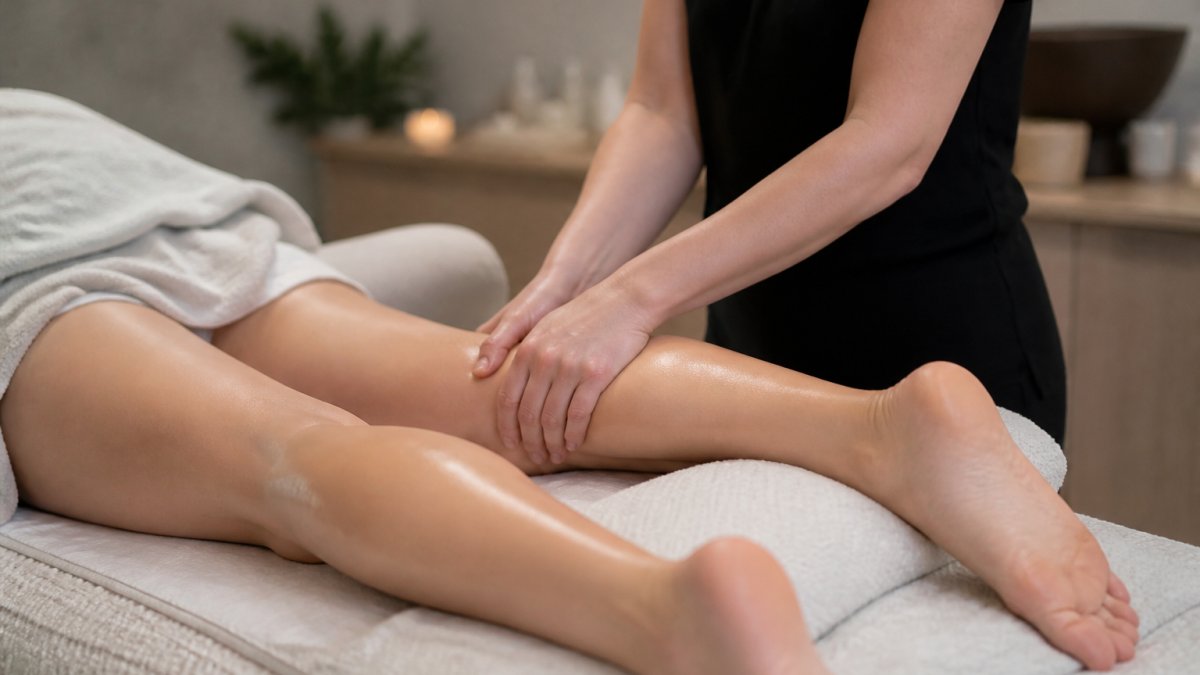
Remedial massage is a targeted massage therapy designed to treat specific muscle tension, knots, and localised pain, using hands-on techniques to release tightness and improve circulation to the affected area.
Remedial massage works well for straightforward muscular complaints: tension in your neck from desk work, a sore shoulder, or general muscle knots.
Key differences: myotherapy vs remedial massage
| Aspect | Myotherapy | Remedial Massage |
|---|---|---|
| Assessment | Detailed postural and biomechanical analysis | Palpation of muscle tension and pain points |
| Techniques | Trigger point therapy, myofascial release, stretching, mobilisation, exercise prescription | Deep tissue massage, pressure release, targeted manipulation |
| Treatment Goal | Identify and correct underlying dysfunction | Release muscle tension and improve comfort |
| Scope | Broader; addresses patterns across the body | Focused; targets specific muscle groups |
| Best For | Chronic pain, recurring issues, movement dysfunction | Acute tension, muscle knots, localised pain |
| Session Length | Often longer, includes assessment and exercise | Typically 30-60 minutes of hands-on work |
| Follow-up | Usually includes home exercises and movement advice | May recommend follow-up sessions for maintenance |
Assessment and diagnosis
Myotherapy begins with a thorough assessment of your posture, movement patterns, and how your body functions, looking for biomechanical issues that might be driving your pain. Remedial massage also involves assessment, but focuses on identifying where muscle tension is and how tight it feels. The key difference: myotherapy digs deeper to understand why the muscle is tight, while remedial massage focuses on releasing the tightness already there.
Techniques and hands-on treatment
Myotherapy draws on a broader toolkit: trigger point therapy, myofascial release, joint mobilisation, stretching and exercise prescription. Remedial massage primarily uses deep tissue massage and pressure techniques to break up knots and improve blood flow. Both are effective, but myotherapy's range suits complex or long-standing pain, while remedial massage excels at quick relief for muscular tension.
Treatment goals and rehabilitation
Myotherapy aims to restore function and prevent recurrence, prescribing exercises and movement strategies to address the underlying dysfunction for long-term improvement. Remedial massage prioritises immediate relief and improved mobility, though it may not address what caused the problem unless combined with other approaches. Think of it this way: myotherapy treats the cause; remedial massage treats the symptom.
Myotherapy for pain relief
Myotherapy is particularly effective for pain tied to muscle dysfunction or poor movement patterns. If your pain keeps returning or affects how you move, its focus on identifying and correcting the underlying issue makes it a strong choice.
What conditions myotherapy addresses
According to research on massage therapy for neck pain, a 2013 review of 12 studies involving 757 participants found that massage was more helpful for neck and shoulder pain than comparison conditions.
Myotherapy is also valuable for people recovering from injury or surgery who need structured rehabilitation alongside manual therapy.
How myotherapy targets muscle dysfunction
Myotherapy doesn't just release tension; it corrects the patterns causing it. A myotherapist identifies which muscles are overworking, underworking, or held in poor alignment, then uses techniques to reset those patterns. That's why it often includes exercise prescription and postural advice, the hands-on work is only part of the solution.
Remedial massage for muscle knots and tension
Remedial massage is your answer when you have localised muscle tension or knots that need releasing. It's effective, accessible, and provides rapid relief.
When remedial massage is most effective
A systematic review of massage therapy effectiveness reported significant short-term post-treatment benefits on pain and disability measures in massage trials compared with placebo or no treatment.
The key: remedial massage works best when the pain is muscular and localised, not when it's part of a larger pattern of dysfunction.
How often should you get remedial massage for best results?
Frequency depends on your goal, the nature of your pain, and whether you are addressing the underlying cause. There is no single schedule that suits everyone, and any practitioner who promises a fixed number of sessions before assessing you is guessing.
Acute versus chronic pain
For a recent, localised flare-up, a stiff neck, or tight shoulders after a heavy week at the desk, a common pattern is one or two sessions in the first fortnight, spaced a few days apart, then a review. If the pain is settling and you can move more freely, you may not need ongoing treatment.
For persistent or recurring pain, weekly or fortnightly sessions over a four-to-six week block give a clearer signal about whether hands-on treatment is helping. If there is no meaningful change in that window, more of the same is unlikely to be the answer, and it is worth discussing a different approach, including whether another health professional should assess you.
For maintenance, many people book every three to six weeks. That is a lifestyle choice as much as a clinical one, and it should be reviewed rather than treated as a permanent subscription.
Session length and what it means for frequency
Remedial massage sessions are commonly 30, 45 or 60 minutes of hands-on work, with a short consultation at the start. Myotherapy appointments are often longer, frequently 45 to 75 minutes, because they include a movement and postural assessment and time for exercise prescription. A longer appointment means more time on assessment and education, not automatically better value.
The Australian cost and rebate picture
Private health insurance extras cover for remedial massage and myotherapy varies by fund and policy. Some funds recognise remedial massage providers who are members of a professional association, and some recognise myotherapy separately; others do not. Rebate amounts and annual limits differ, and the provider must usually be registered with the fund for you to claim.
Before booking a course of care, check three things with your fund: whether the modality is covered, whether the specific practitioner is recognised, and what your remaining annual limit is. Then ask the clinic for their fee schedule, prices vary by location, session length and experience. A short course of care is easier to justify when you know the per-session cost, the expected number of visits, and what rebate you can actually claim.
Consistency matters more than intensity
Regular, reviewed sessions tend to work better than sporadic bursts followed by long gaps. But consistency should not mean open-ended treatment. A sensible plan sets a review point, often after three to six sessions, where you and your therapist decide whether to continue, change approach, or step back.
Evidence, safety and realistic outcomes
What research shows about massage and myotherapy
Research confirms that massage and myotherapy can help relieve pain and improve mobility for many people. The National Center for Complementary and Integrative Health notes that massage may be helpful for neck and shoulder pain, and systematic reviews support short-term benefits for pain and disability measures.
However, it's crucial to understand that research shows these therapies help manage pain and improve function, they're not cures.
The evidence is strongest for short-term relief and improved mobility. Long-term benefits depend on whether the underlying cause is addressed, which is where myotherapy's focus on dysfunction becomes valuable.
When to seek medical advice
If your pain is severe, sudden, or accompanied by numbness, tingling, or weakness, see a doctor before seeking massage or myotherapy, these can indicate a condition needing medical evaluation. Also seek medical advice if pain persists despite treatment or significantly affects daily function. Myotherapy and remedial massage are excellent complementary treatments, but they work best alongside, not instead of, appropriate medical care when needed.
Choosing the right treatment for your pain
The choice between myotherapy and remedial massage depends on what is causing your pain, how long you have had it, and what you want the treatment to achieve. Learn more about remedy pain and what we offer.

A practical decision guide
If you mainly want relaxation and general maintenance, remedial massage is the more straightforward choice. Myotherapy can still be appropriate, but its assessment-heavy approach may be more than you need.
If you have tried one approach without lasting change, switching is reasonable, but so is a review.
When to see another health professional first
Hands-on treatment is not the right first step for every presentation. Seek medical assessment before booking massage or myotherapy if you have:
- severe or sudden pain, especially after a fall or injury;
- numbness, tingling, weakness or loss of sensation in a limb;
- pain accompanied by fever, unexplained weight loss, or feeling generally unwell;
These are not reasons to avoid treatment forever, they are reasons to have the cause assessed first. A qualified therapist should screen for these before treating and refer you on if something does not fit a muscular pattern.
What to verify before you book
Training and recognition vary across the industry. Myotherapists typically complete a diploma or degree-level qualification in myotherapy, while remedial massage therapists complete a diploma of remedial massage or equivalent.
If you plan to claim a private health rebate, confirm with your fund that the modality and the individual practitioner are recognised before your appointment.
The bottom line
Remedial massage is a good fit for straightforward, localised muscle tension and short-term relief. Myotherapy suits persistent or recurring pain where movement and posture may be contributing, and where you want a plan that includes self-management. Many people use both, remedial massage for a flare-up, myotherapy to address the pattern behind it.
Frequently Asked Questions
What is the difference between myotherapy and remedial massage?
Myotherapy and remedial massage both treat soft tissue injury and muscle pain, but they differ in scope and approach. Myotherapy uses a broader range of techniques targeting muscles, nerves, bone and blood flow, often with a longer-term rehabilitation focus. Remedial massage typically addresses straightforward muscular tension, tightness and minor strains with direct soft tissue work. Both can help pain and mobility, but myotherapy often involves more detailed assessment of underlying biomechanical issues.
Is myotherapy more effective than remedial massage for pain?
Neither therapy is universally better; effectiveness depends on your specific condition and needs. Research from 2013 showed massage therapy helpful for neck and shoulder pain compared with no treatment, and showed short-term benefits for low back pain on pain and disability measures. Myotherapy may suit complex, chronic or recurring pain where deeper assessment is needed. Remedial massage works well for localised tension and straightforward muscle complaints. A qualified practitioner can help determine which approach fits your situation.
How often should you get remedial massage for results?
Treatment frequency depends on your condition, pain severity and goals. Your therapist will assess your needs and recommend a plan tailored to your recovery. Discuss your schedule and budget with your practitioner to find a sustainable plan.
Can remedial massage help with chronic muscle pain?
Remedial massage can help relieve symptoms of chronic muscle pain and improve mobility, though it is not a cure. Short-term relief is common, and regular sessions support ongoing pain management. For chronic pain, remedial massage often works best as part of a broader approach that may include exercise, posture correction and lifestyle changes. If chronic pain has complex causes or has not improved with previous treatments, myotherapy's more detailed assessment may be worth exploring.
Does remedial massage get rid of knots?
Remedial massage can relieve muscle knots, reduce tension and restore mobility by releasing tight soft tissue. The hands-on techniques break down muscle tightness and improve blood flow, which eases pain and stiffness. However, knots often return without addressing their underlying cause, whether postural, biomechanical or activity-related. Your therapist may recommend stretches, exercise or ergonomic adjustments to prevent knots recurring. A single session provides relief; ongoing sessions and self-care maintain the benefit.