 ultimate-guide
Myotherapy for Chronic Pain: A 2026 Guide
Last Updated: October 22, 2026
Quick Summary
Myotherapy chronic pain treatment addresses muscle tension, trigger points, and restricted movement patterns by releasing soft tissue restrictions and restoring normal circulation. This targeted approach breaks the pain cycle by interrupting the muscular and fascial restrictions that fuel persistent pain, rather than simply masking symptoms.
- Myotherapy uses trigger point release, myofascial stretching, and soft tissue mobilisation to target dysfunction underlying chronic pain.
- Research shows myofascial release significantly improved pain in patients with chronic low-back pain compared with sham or active therapy.
- An initial block of four to six sessions spaced one to two weeks apart is typically recommended before reassessing progress.
- Myotherapy works best combined with self-management stretches, exercise, stress management, and ergonomic modifications between sessions.
- Temporary soreness within 24-48 hours after treatment is common and expected as tissue adapts.
Table of Contents
- What Is Myotherapy and How It Works
- Myotherapy vs Remedial Massage: Understanding the Difference
- How Myotherapy Addresses Chronic Pain and Muscle Tension
- Myotherapy Techniques Used for Pain Relief
- What to Expect During Your First Myotherapy Session
- Chronic Pain Management: Myotherapy Alongside Other Approaches
- Safety, Outcomes, and When to Seek Additional Care
- Frequently Asked Questions
What Is Myotherapy and How It Works
Myotherapy is a form of manual therapy that targets soft tissue dysfunction to reduce pain and restore function.
Myotherapy chronic pain management addresses muscle tension, trigger points, and restricted movement patterns that accumulate over time. Myotherapy addresses these root causes through hands-on assessment and targeted treatment, helping your body return to optimal function rather than simply masking symptoms.
The practice combines elements of remedial massage, trigger point therapy, and soft tissue mobilisation. Research shows that myofascial release significantly improved pain in patients with chronic low-back pain compared with sham or active therapy, demonstrating the evidence-based approach that underpins effective treatment.
Myotherapy works by interrupting the pain cycle. When muscles become chronically tight, they restrict circulation, trap metabolic waste, and create trigger points that refer pain to other areas of your body.

Myotherapy vs Remedial Massage: Understanding the Difference
Both myotherapy and remedial massage address soft tissue dysfunction, but they differ in scope, training, and approach. Understanding these distinctions helps you choose the right treatment for your needs.
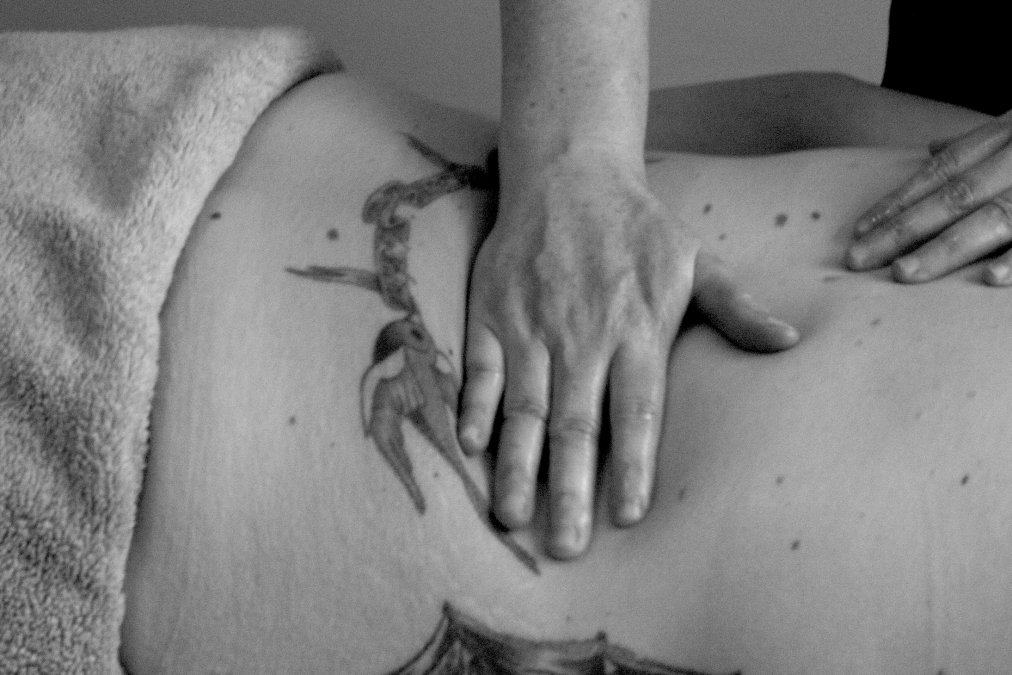
Remedial massage is a broader category that includes various manual therapy techniques designed to treat injury, dysfunction, and pain. It encompasses stretching, trigger point release, and mobilisation. Myotherapy is a more specialised subset within remedial massage that emphasises assessment and treatment of myofascial pain patterns using specific protocols.
The main practical difference lies in assessment depth and technique specificity. A myotherapist conducts detailed postural and movement analysis to identify the root cause of your pain, then applies targeted techniques to address it. A remedial massage therapist may use similar techniques but often with a broader wellness focus. For myotherapy chronic pain treatment, the detailed assessment and targeted intervention approach typically delivers better outcomes.
Training requirements also differ. Myotherapists complete specialised qualifications in myofascial assessment and treatment techniques. Remedial massage therapists have broader training across multiple modalities. Both can be highly skilled; the difference is in specialisation.
How Myotherapy Addresses Chronic Pain and Muscle Tension
Chronic pain rarely exists in isolation. It develops when muscle tension, poor movement patterns, and restricted circulation create a self-perpetuating cycle. Myotherapy breaks this cycle by addressing the muscular and fascial restrictions that fuel persistent pain.
When muscles remain tight for extended periods, they compress blood vessels, reducing oxygen and nutrient delivery while trapping metabolic waste. This creates an environment where pain sensitivity increases and inflammation persists.
A 2022 study found that myofascial massage was a promising treatment for chronic pain and mobility limitations after breast-cancer surgery, showing how targeted soft tissue treatment can address pain even in complex post-operative scenarios.
Myotherapy also addresses muscle tension through trigger points, hypersensitive spots within muscle tissue that cause localised and referred pain.
The treatment improves joint function by releasing muscular restrictions that limit movement. Tight muscles pull joints out of optimal alignment and restrict your range of motion. As myotherapy restores muscle length and elasticity, your joints move more freely, reducing compensatory strain and further pain.
Myotherapy Techniques Used for Pain Relief
Several specific techniques form the foundation of effective myotherapy treatment. Each targets different aspects of myofascial dysfunction.
Trigger point release involves applying sustained pressure to hypersensitive spots within muscle tissue.
Myofascial stretching applies gentle, sustained stretch to tight muscles and the connective tissue surrounding them. Unlike dynamic stretching, myofascial stretching holds a stretch to allow deep release and restoration of normal muscle length.
Soft tissue mobilisation uses rhythmic pressure and movement to restore normal tissue quality and function. The therapist may move your joint while applying pressure to the surrounding muscles, helping them adapt to normal movement patterns.
Muscle energy techniques engage your own muscles to release restrictions. The therapist guides you through gentle, controlled movements that help tight muscles relax and lengthen without forcing the issue.
Fascial release targets the connective tissue surrounding muscles. Restricted fascia limits movement and contributes to pain. Releasing fascial restrictions often produces rapid improvements in mobility and pain reduction.
The specific combination of techniques used depends on your assessment findings and the nature of your chronic pain.
What to Expect During Your First Myotherapy Session
Your first session establishes the foundation for effective treatment.
The session typically begins with a detailed history.
Next comes postural and movement assessment. You'll be asked to stand, walk, and perform simple movements while the therapist observes your alignment, movement quality, and any obvious restrictions.
Palpation assessment follows. The therapist uses skilled touch to feel muscle tension, trigger points, and tissue quality. This hands-on assessment identifies the specific soft tissue restrictions contributing to your pain.
Once assessment is complete, your myotherapist explains their findings in plain language. You'll learn what's contributing to your pain, why it developed, and how treatment will address it.
Treatment begins in the first session, though the focus is often lighter than subsequent appointments. Your therapist applies techniques to begin releasing restrictions, always working within your comfort level.
A typical session lasts 45-60 minutes. The cost and exact duration depend on your specific needs; our pricing page provides current rates for myotherapy sessions.
Questions worth asking before you book. What are your qualifications and registration? How many sessions do you typically recommend before reviewing progress? What should I do between sessions? Do you liaise with my GP or physiotherapist if needed? Clear answers to these questions are a reasonable sign of a practitioner who works within a broader care team.
Chronic Pain Management: Myotherapy Alongside Other Approaches
Myotherapy works best as part of a comprehensive chronic pain management strategy rather than in isolation. Combining myotherapy with other approaches addresses pain from multiple angles.
Self-management between sessions amplifies treatment results. Your myotherapist will recommend specific stretches, posture adjustments, and movement patterns to reinforce what happens in the clinic. Consistency matters more than intensity, daily 5-minute stretching routines often deliver better outcomes than sporadic intensive efforts.
Movement and exercise support myotherapy by strengthening muscles that stabilise your joints and maintain the improvements treatment creates.
Stress management and nervous system regulation interact significantly with chronic pain. Tight muscles and pain sensitivity both increase under stress.
Ergonomic and lifestyle modifications prevent pain patterns from recurring. If your chronic pain stems partly from desk posture or repetitive strain, addressing these factors prevents reactivation of the same restrictions myotherapy has released.
Medical management may include medication, injections, or other interventions depending on your specific condition. Myotherapy integrates with these approaches, it doesn't replace them when they're medically necessary.
Safety, Outcomes, and When to Seek Additional Care
Myotherapy is generally safe when performed by a qualified practitioner, but like any hands-on treatment, it carries considerations and contraindications. Clear safety guidance and realistic outcome tracking are what separate a responsible chronic-pain plan from a hopeful one.
Common and expected. Temporary soreness after treatment is common and typically resolves within 24-48 hours. This post-treatment soreness differs from pain, it's a sign that tissue has been worked and is adapting. Hydration and gentle movement help it resolve faster.
Contraindications and modifications. Certain conditions require caution or medical clearance before myotherapy. These include recent surgery, acute inflammation or infection, blood clotting disorders, anticoagulant medication, uncontrolled hypertension, and some forms of cancer-related care.
Measuring outcomes over time. Progress is easier to judge when you track it.
Evidence quality matters. Research supports myotherapy's effectiveness for certain chronic pain conditions, particularly musculoskeletal pain and post-operative recovery. However, evidence for massage and related manual therapies should not be treated as proof that myotherapy itself reliably produces long-term relief. Individual responses vary.
Frequently Asked Questions
Can myotherapy help with chronic pain?
Yes. Research from 2024 shows that myofascial release, a core myotherapy technique, significantly improved pain in patients with chronic low-back pain compared with sham or active therapy. However, myotherapy works best as part of a broader pain management plan. Results vary depending on the cause of your pain, how long you've had it, and how your body responds to treatment. A qualified myotherapist can assess whether myotherapy is appropriate for your specific condition.
What happens during a myotherapy session for chronic pain?
Your first session includes a detailed assessment of your pain history, posture, movement patterns, and medical background. The myotherapist then applies hands-on techniques to release muscle tension, improve blood flow, and reduce pain sensitivity. Sessions typically last 30-60 minutes. You may feel some discomfort during treatment as tight muscles release, but this should ease afterward. Your practitioner will discuss a treatment plan tailored to your needs and progress.
How many myotherapy sessions might be needed for chronic pain?
The number of sessions depends on how long you've had pain, its severity, and your body's response to treatment. Some people notice improvement within 2-4 sessions; others require ongoing care over weeks or months. Your myotherapist will monitor your progress and adjust the plan accordingly. Combining myotherapy with self-management strategies, such as stretching, movement, and stress reduction, often accelerates results and reduces the total sessions needed.
Is myotherapy safe for people with chronic pain?
Myotherapy is generally safe when performed by a qualified practitioner. However, certain conditions require caution or modified techniques: acute inflammation, blood clots, recent surgery, or severe osteoporosis. Always inform your myotherapist about your full medical history, current medications, and any recent injuries. If you have complex or multiple conditions, consult your GP before starting myotherapy to ensure it complements your overall care plan.
How is myotherapy different from remedial massage?
Both use hands-on techniques to relieve pain and tension, but they differ in training and focus. Myotherapy is based on anatomy, biomechanics, and muscle physiology; myotherapists are trained to assess movement dysfunction and address the root cause of pain. Remedial massage focuses on treating soft tissue injuries and promoting healing. Myotherapy often includes assessment and exercise prescription, while remedial massage emphasises massage technique. Your choice depends on your condition and what your practitioner recommends.
What other approaches can support chronic pain management alongside myotherapy?
Myotherapy works best within a comprehensive pain management strategy. Consider combining it with gentle movement (walking, swimming, yoga), stress reduction (meditation, breathing exercises), adequate sleep, and ergonomic adjustments at work or home. Some people benefit from acupuncture or Chinese medicine to reduce pain sensitivity and improve circulation. Your GP or physiotherapist can recommend additional approaches tailored to your condition. Regular review with your healthcare team ensures your plan remains effective.
What techniques may a myotherapist use for chronic pain?
Common myotherapy techniques include dry needling (fine needles to release trigger points), sustained pressure to tight muscles, stretching and mobilisation, and soft tissue massage. Your myotherapist may also assess your posture and movement patterns to identify contributing factors. The specific techniques used depend on your pain type, location, and how your tissues respond. Your practitioner will explain each technique and adjust intensity based on your comfort and progress.