 ultimate-guide
Does Acupuncture Help With IVF Success
Table of Contents
- Does Acupuncture Help With IVF Success: What the Evidence Shows
- Acupuncture Before Embryo Transfer: Timing and Proposed Benefits
- Acupuncture After Embryo Transfer: Supporting Implantation
- When to Start Acupuncture for IVF: Treatment Timing and Cycles
- IVF Acupuncture Evidence: Why Studies Disagree
- Stress, Relaxation, and Emotional Wellbeing During IVF
- Safety, Costs, and Practical Considerations
- Conclusion: Realistic Expectations and Next Steps
- Frequently Asked Questions
Last Updated: October 7, 2026
Does Acupuncture Help With IVF Success: What the Evidence Shows
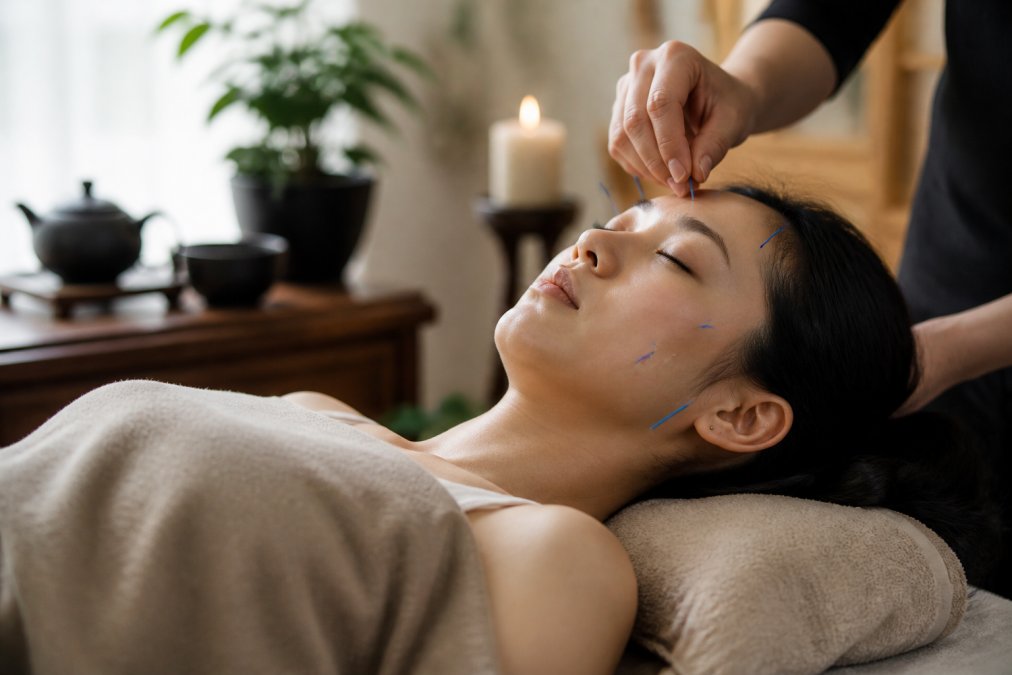
The question of whether acupuncture helps with IVF success sits at the intersection of traditional medicine and modern reproductive science. Women considering acupuncture as part of their fertility journey deserve clarity, not hype. According to a 2021 overview of systematic reviews published in Frontiers in Public Health, the evidence for acupuncture in IVF remains inconclusive, though some studies suggest potential benefits for clinical pregnancy rates.
The research landscape is complex. Some studies report modest improvements in live birth rates when acupuncture is combined with IVF, whilst others find no statistically significant difference. A 2020 clinical trial found that acupuncture administered 25 minutes before embryo transfer significantly improved IVF outcomes compared with no acupuncture, yet larger, more rigorous studies are needed to confirm these findings.
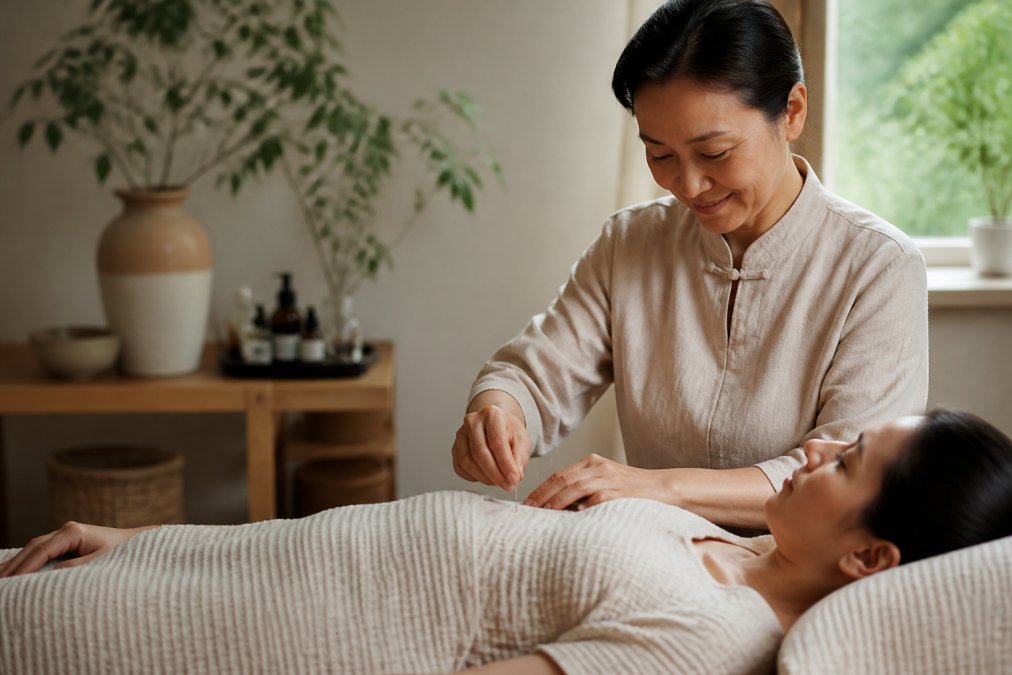
What's important to understand is that acupuncture for IVF appears to work through multiple proposed mechanisms, not just one. Rather than viewing it as a standalone treatment, many fertility specialists now consider it as part of an integrated approach, supporting stress reduction, potentially improving uterine blood flow, and promoting overall relaxation during a demanding treatment cycle.
Acupuncture Before Embryo Transfer: Timing and Proposed Benefits
The timing of acupuncture around embryo transfer has emerged as a critical focus in fertility research. Pre-transfer acupuncture, typically administered 25 minutes before the embryo is placed into the uterus, is where some of the strongest evidence lies. A 2020 clinical trial by Dehghani et al. published in reproductive health journals reported that acupuncture given immediately before embryo transfer significantly increased IVF outcomes compared with control groups.
The proposed mechanism centres on uterine blood flow and the uterine environment. Acupuncture may enhance circulation to the uterus, potentially improving the conditions for embryo implantation. It may also influence hormonal signalling and reduce uterine contractions that could otherwise interfere with embryo positioning. However, these are proposed mechanisms; the exact pathway remains incompletely understood.
Practically speaking, if you're considering pre-transfer acupuncture, timing is everything. A session scheduled too far before transfer loses its acute effect; one scheduled too close may create logistical stress. Most practitioners who specialise in fertility acupuncture recommend a single session 25 minutes to an hour before transfer, allowing enough time for the acupuncture to take effect whilst keeping the treatment fresh in your body's physiological response.
Acupuncture After Embryo Transfer: Supporting Implantation
Post-transfer acupuncture represents a different strategy. Rather than targeting the moment of embryo placement, post-transfer sessions focus on the two-week wait, the period between transfer and pregnancy testing when implantation occurs. The theory is that acupuncture during this window supports the uterine environment and reduces stress that might interfere with successful implantation.
Research on post-transfer acupuncture is less specific than pre-transfer studies. Most fertility-focused acupuncture protocols include sessions in the days and weeks following transfer, typically once or twice weekly. The rationale combines stress reduction with the proposed effects on uterine receptivity and blood flow.
The emotional dimension of post-transfer acupuncture matters as much as the physiological one. The two-week wait is psychologically intense. Acupuncture provides a structured, calming ritual during a period when many women feel helpless. Whether this stress reduction directly improves implantation rates or simply improves wellbeing during a difficult time, the value is real. At LOEDA, women undergoing IVF often explore regular acupuncture and Chinese medicine support throughout their cycle, not just at critical transfer windows.
When to Start Acupuncture for IVF: Treatment Timing and Cycles
The question of when to begin acupuncture for IVF support doesn't have a one-size-fits-all answer. Some women start acupuncture months before their IVF cycle begins, using it to optimise overall reproductive health and reduce baseline stress. Others begin only when their cycle is underway. Both approaches have merit, and the choice depends on your individual circumstances and timeline.
Starting acupuncture 2-3 months before IVF allows time for the treatment to influence egg quality and uterine health. Traditional Chinese medicine perspectives suggest that acupuncture can improve ovarian reserve and hormonal balance over time. Whilst Western reproductive science hasn't definitively proven these long-term effects, many women report improved energy, better sleep, and reduced period pain after several months of regular acupuncture, all factors that support overall fertility.
If you're beginning IVF soon and haven't yet started acupuncture, starting during your stimulation phase is still valuable. Acupuncture during ovarian stimulation may help manage side effects like bloating, mood changes, and stress. The key is consistency: sporadic sessions are less likely to produce measurable effects than regular weekly or twice-weekly appointments. Most practitioners recommend a series of sessions before embryo transfer to establish a therapeutic rhythm.
| Treatment Phase | Recommended Timing | Frequency | Purpose |
|---|---|---|---|
| Pre-cycle preparation | 2-3 months before IVF | Weekly | Optimise egg quality and reduce baseline stress |
| Ovarian stimulation | During hormone injections | 1-2x weekly | Manage side effects and support hormonal function |
| Pre-transfer | 1-2 weeks before transfer | 1-2x weekly | Prepare uterine environment |
| Post-transfer | Day after through week 2 | 1-2x weekly | Support implantation and manage anxiety |
IVF Acupuncture Evidence: Why Studies Disagree
The conflicting evidence around acupuncture and IVF success frustrates many women. One study reports a 30% increase in live births with acupuncture; another finds no significant difference. Understanding why these contradictions exist is crucial to interpreting the research honestly.
Study design is the primary culprit. The UK Health Research Authority's summary of acupuncture effects in IVF notes that clinical research results are inconclusive because of significant study-design issues. Many acupuncture trials are small, lack proper control groups, or don't account for confounding variables. Some studies compare acupuncture to no treatment; others compare it to sham acupuncture (needles placed at non-therapeutic points).
Additionally, acupuncture protocols vary widely across studies. One trial uses acupuncture only at embryo transfer; another includes weekly sessions throughout the cycle. One uses specific point combinations; another uses individualised treatment. This heterogeneity makes it difficult to draw universal conclusions.
The honest assessment: acupuncture may improve IVF success rates for some women, but it's not a proven, universally effective intervention. The evidence suggests potential benefit, particularly around embryo transfer timing, but effect sizes are modest and not consistent across all studies.
Stress, Relaxation, and Emotional Wellbeing During IVF
If acupuncture's direct effect on pregnancy rates remains debated, its impact on stress and emotional wellbeing is far clearer. A 2025 University Hospitals report documented that acupuncture reduces stress, pain, and anxiety for IVF patients, supporting whole-systems traditional Chinese medicine approaches for symptom relief during treatment cycles.
IVF is emotionally taxing. Hormone injections trigger mood swings. Daily monitoring appointments create logistical stress. The uncertainty of whether embryos will develop normally, whether transfer will succeed, and whether pregnancy will follow weighs heavily.
Regular acupuncture during IVF helps regulate cortisol levels and supports sleep quality, both of which are disrupted during fertility treatment. Better sleep improves immune function and emotional resilience. Lower stress may indirectly support fertility by reducing inflammation and supporting hormonal balance. Whether these benefits directly increase pregnancy rates or simply make the IVF journey more bearable, they matter.
Schedule acupuncture at times that feel restorative rather than adding to your stress. If weekly appointments feel burdensome, biweekly sessions with self-care practices between visits may serve you better than forcing a schedule that creates pressure.
Safety, Costs, and Practical Considerations
Acupuncture is generally safe when performed by a qualified practitioner. Serious adverse events are rare. The most common side effects are minor: temporary bruising at needle sites, mild soreness, or brief dizziness.
Practitioner qualifications matter significantly. In Australia, acupuncture is not uniformly regulated across all states and territories, though many practitioners hold qualifications from recognised training institutions or membership in professional bodies. When selecting an acupuncturist for fertility support, look for someone with specific training in reproductive health acupuncture, not just general acupuncture experience.
Cost is a practical barrier. Fertility-focused acupuncture treatment often requires regular sessions over months. Most Australian health insurance policies do not cover acupuncture for fertility, though some may cover acupuncture for pain management or general wellness. Check your policy and consider whether the investment aligns with your overall fertility budget.
Treatment burden is real. Committing to weekly acupuncture alongside IVF appointments, blood tests, and ultrasounds creates logistical complexity. If you live outside Point Cook or Melbourne's western suburbs, the drive to appointments might outweigh the benefits. Be honest about what you can sustain. A few well-timed, high-quality sessions may serve you better than sporadic attendance at numerous appointments.
Conclusion: Realistic Expectations and Next Steps
Does acupuncture help with IVF success? The answer is: possibly, for some women, in specific circumstances. The evidence suggests potential modest benefits, particularly when acupuncture is timed around embryo transfer and integrated into a broader fertility support plan. More importantly, acupuncture demonstrably reduces stress and supports emotional wellbeing during a demanding treatment cycle, benefits that matter regardless of pregnancy outcomes.
If you're considering acupuncture as part of your IVF journey, approach it with realistic expectations. It's not a magic solution, but it may be a valuable complementary tool. Work with a qualified acupuncturist experienced in fertility care, coordinate timing carefully with your IVF clinic, and view it as part of an integrated approach to supporting your body and mind through treatment.
At LOEDA, we specialise in acupuncture and Chinese medicine specifically designed to support women through fertility challenges and IVF cycles. Whether you're preparing for IVF, navigating a current cycle, or recovering after transfer, we offer personalised acupuncture and fertility support tailored to your needs. Explore our acupuncture and IVF support services to learn more about how we can support your path to pregnancy.
Frequently Asked Questions
When is the best time to have acupuncture during an IVF cycle?
Research suggests acupuncture around embryo transfer may be most beneficial. A 2020 clinical trial reported that acupuncture 25 minutes before embryo transfer significantly increased IVF outcomes compared with no acupuncture. Some practitioners recommend starting acupuncture earlier in the cycle, during ovarian stimulation or egg retrieval, to support overall fertility outcomes. The optimal timing depends on your individual IVF protocol and your fertility specialist's recommendations. Consult with both your IVF clinic and acupuncture practitioner to coordinate treatment timing effectively.
Does acupuncture actually increase IVF success rates?
The evidence is mixed and inconclusive. Some reviews have reported associations between acupuncture and increased live birth rates. However, a 2021 overview of systematic reviews concluded that evidence for acupuncture in IVF was insufficient, and the UK Health Research Authority notes clinical research results are inconclusive because of study-design issues. Positive findings should be interpreted cautiously. Acupuncture may be most beneficial as a complementary therapy for stress reduction and emotional wellbeing rather than as a guaranteed pathway to higher pregnancy rates.
Can acupuncture help with stress and anxiety during IVF treatment?
Yes, acupuncture is increasingly recognised for supporting stress and anxiety relief during IVF. A 2025 University Hospitals report found that whole-systems traditional Chinese medicine, including acupuncture, helped reduce stress, pain, and anxiety for patients undergoing IVF. While acupuncture's effect on pregnancy rates remains unclear, its calming effect on the nervous system and promotion of relaxation may improve your overall experience during treatment. Many women find acupuncture helpful for managing the emotional burden of fertility treatment, which can indirectly support wellbeing during an IVF cycle.
Is acupuncture safe during IVF treatment?
Acupuncture is generally considered safe when performed by a qualified practitioner experienced in fertility care. However, always inform your acupuncturist that you are undergoing IVF, as certain points may need to be avoided during specific phases of your cycle. Discuss acupuncture with your fertility specialist before starting treatment to ensure it complements your IVF protocol. Potential side effects are minimal but may include mild bruising or temporary soreness at needle sites. A qualified acupuncture practitioner will tailor treatment to your individual circumstances and coordinate with your IVF team.